
Hepatitis B (often shortened to hep B) can affect the liver before noticeable symptoms appear. Some people may experience subtle changes such as fatigue, nausea, or mild abdominal discomfort, while others may only discover the infection during routine blood tests.
At Digestive & Liver Surgery, we provide hepatitis B screening tests to assess your risk and determine the right treatment if the virus is detected.
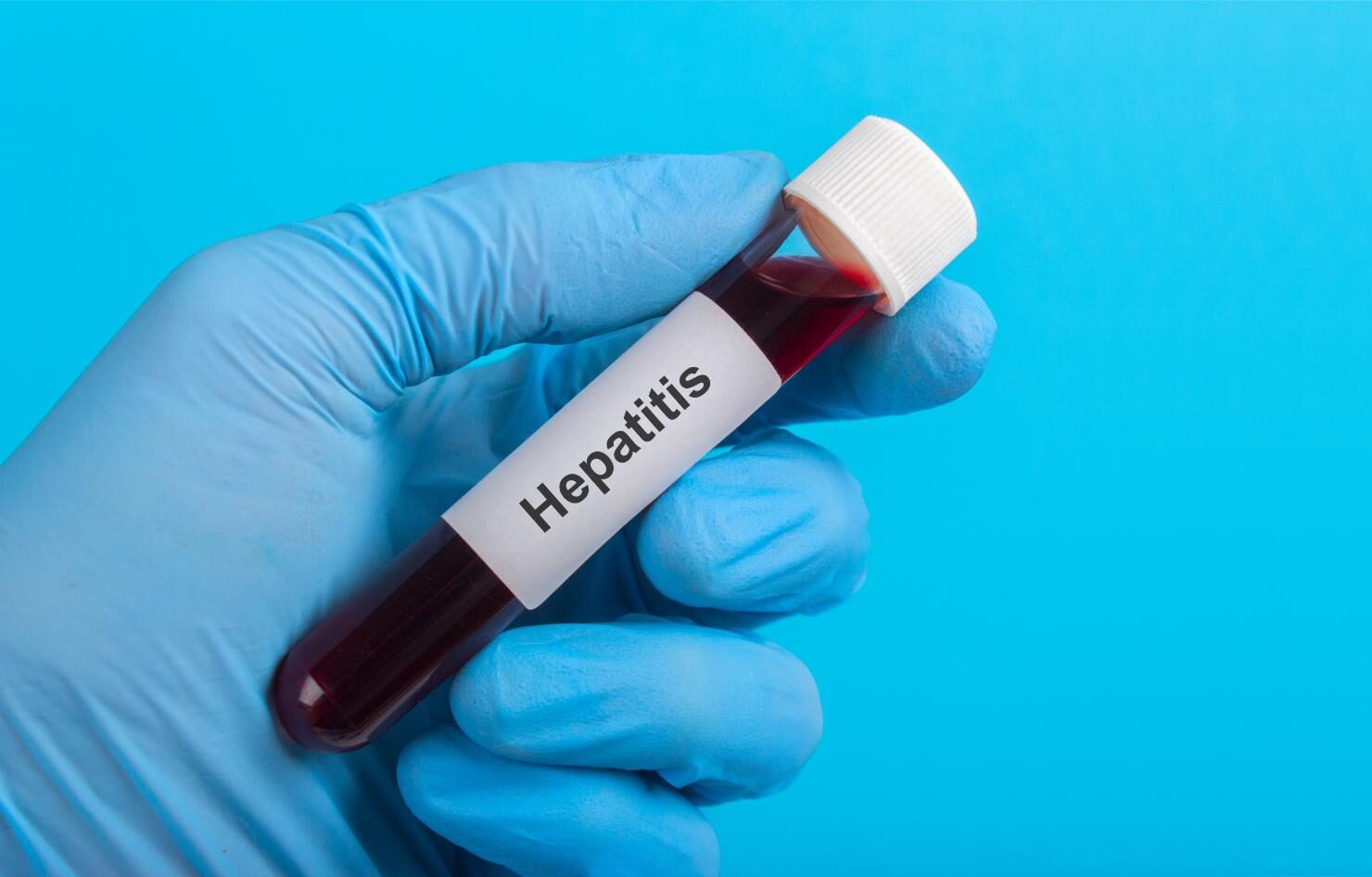
Hepatitis B is a viral infection that affects the liver, caused by the hepatitis B virus (HBV). The infection may clear on its own after a short period, or remain in the body as a long-term (chronic) condition that requires monitoring.
Over time, chronic hepatitis B may lead to liver inflammation, scarring (cirrhosis), or liver cancer if it’s not detected and managed appropriately.
People with hepatitis B don’t always experience clear symptoms, particularly in the early stages. Because of this, the infection is often discovered through a Hep B screening, which checks for signs of the virus using a blood test.

While acute hepatitis B typically lasts less than 6 months, chronic hepatitis B can persist for a lifetime, making early detection crucial for preventing long-term health issues.

Doctors will perform a hepatitis B screening when a patient presents with signs and symptoms related to the infection. The symptoms may include:
However, many people with hepatitis B do not have symptoms, especially in its early stages. Because of this, we may recommend a screening test if you:
Speak to a specialist to confirm or rule out hepatitis B.
A hepatitis B screening test usually involves several blood tests that check for different markers of the virus. These tests help doctors determine whether you currently have the infection, have had it in the past, or have developed immunity.
Here are the tests we commonly perform to screen for the Hep B virus.

Detects the type of protein existing on the viral surface. This test is an initial indicator of viral presence and may be positive in patients before symptoms appear.
Detects antibodies that are produced in response to the presence of HBV antigens. It examines previous exposure and whether a person is immune or needs vaccination.
Detects and diagnoses acute and chronic HBV infections.
Identifies acute infections and can also be used for chronic infections.
Detects the protein that has been produced as a reaction to the virus, then released into the blood. It determines the patient’s ability to spread the virus to other people.
Detects antibodies that are produced by the body as a response to the presence of hepatitis B. The test is used to monitor patients who have recovered from acute hepatitis B infections.
Detects the presence of hepatitis B viral DNA in the blood. A positive result means the virus is active, and some patients will require treatment. It can also be used to monitor the progression of treatment in patients with chronic HBV infections.
Identify mutations that may cause the virus to be immune to treatment. It helps doctors identify proper treatment for such patients.
Though the screenings listed above are specific to HBV, other liver tests may be conducted to observe and study the progression of the disease further. These include:
The Hep B screening test in Singapore involves a blood sample, and you typically won’t need to fast beforehand.
At your consultation, our specialists at Digestive & Liver Surgery may ask about your:
With this information, we can interpret the test results efficiently and determine whether you need additional tests.
Your results from a hepatitis B screening test may indicate that:
In some cases, additional tests may be recommended to confirm the diagnosis or assess the level of viral activity.

If a hepatitis B screening detects the virus, we typically recommend further tests to understand the stage of infection and the condition of your liver.
Not everyone with a hepatitis B diagnosis requires immediate treatment. In many cases, regular monitoring helps determine whether treatment becomes necessary.

A vaccination helps protect against hepatitis B infection. In addition to vaccination, the following tips typically help reduce the risk of exposure:
If you have symptoms related to liver inflammation, a family history of hepatitis B, or concerns about possible exposure, a Hep B screening test can provide you with the peace of mind you need.
At Digestive & Liver Surgery, our specialists assess your risk factors thoroughly before recommending any test or treatment.
How frequently you need to go for a Hep B screening in Singapore depends on your risk and medical history. You may only need to get tested once to check your status, while others may need repeat testing if they have ongoing risk factors or chronic infection.
You can get tested at any time. It’s often recommended if you suspect you were exposed to the virus, have abnormal liver test results, or want to check your hepatitis B status.
No. Fasting is usually not required for a Hep B screening test. The test only requires a simple blood sample.
A Hep B screening test is done using a blood sample. The sample is analysed in a laboratory to check for signs of the hepatitis B virus or antibodies related to the infection.
A Hep B screening can show whether you currently have the virus, have had a past infection, or have immunity from vaccination. In some cases, additional blood tests may be needed to confirm the results or assess the level of viral activity.

Senior Consultant Surgeon

Senior Consultant Surgeon
Professional Care You Can trust

New DLS Group Office
We have opened a new administrative office to support our operations.
The address is:
545 Orchard Road
#10-09 Far East Shopping Centre
Singapore 238882
All medical services continue as usual at our four clinics.
Thank you!