
At Digestive & Liver Surgery, Dr Victor Lee Tswen Wen and Dr Tan Ek Khoon, both Senior Consultant Surgeons, perform approximately 120 to 150 gallbladder surgeries each year. We operate at Gleneagles Hospital, Mount Elizabeth Orchard Hospital, Mount Alvernia Hospital and HMI Medical Centre, and for most patients we use a reduced port (3-port) keyhole technique.
Pain in the upper abdomen, especially after eating fatty meals, may be a sign of gallstones or an inflamed gallbladder. When symptoms persist, it may be time to seek treatment.
At Digestive & Liver Surgery, our surgeons treat gallbladder conditions using minimally invasive keyhole gallbladder surgery, also known as laparoscopic gallbladder removal.
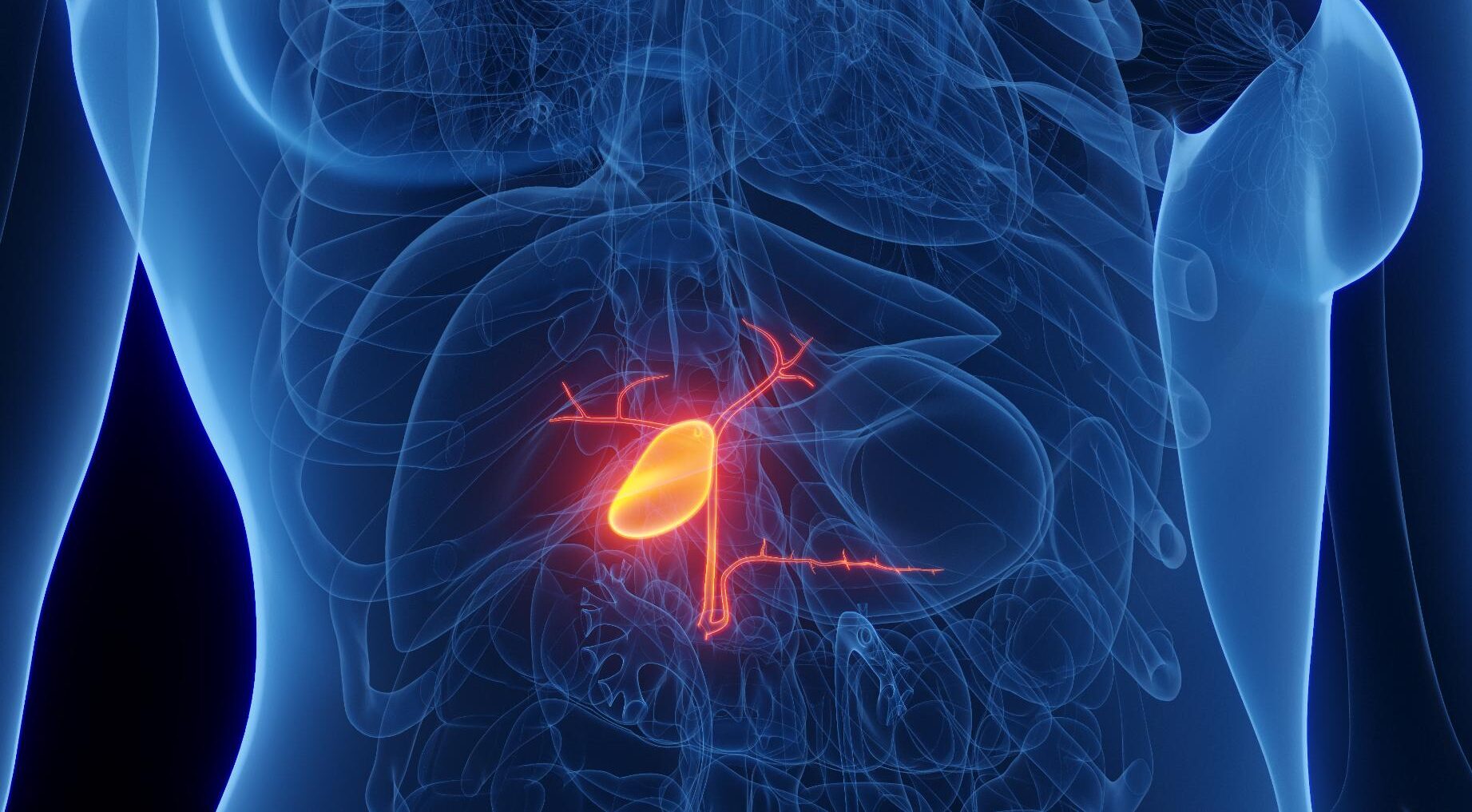
The gallbladder is a small organ located beneath the liver on the upper right side of the abdomen. It stores bile, a digestive fluid that helps your body break down fats during digestion.
However, when bile does not flow normally or deposits form inside the gallbladder, you may experience pain, inflammation, or digestive problems.
Several conditions can affect the gallbladder and interfere with its normal function, including:
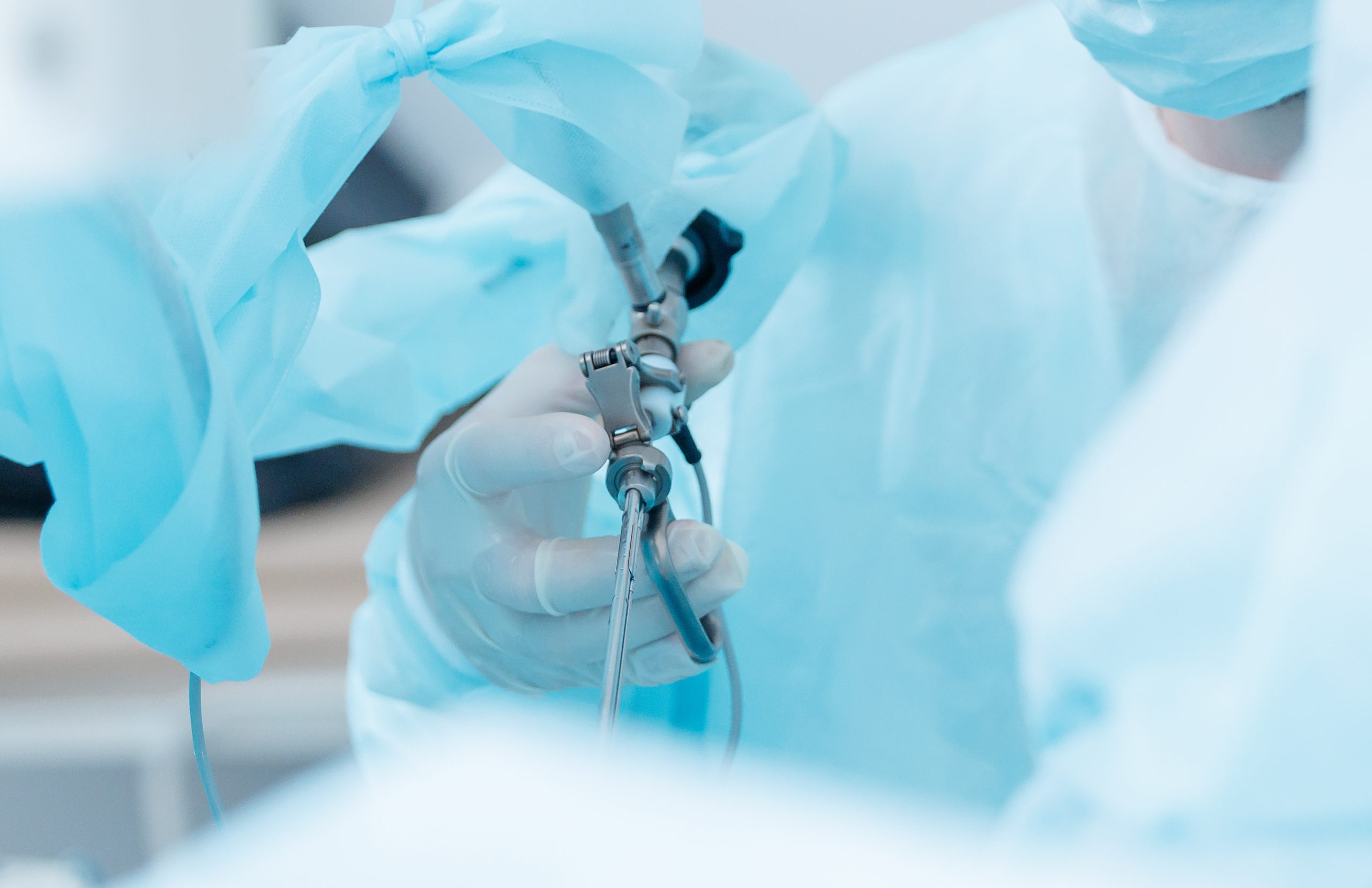
Our clinic performs approximately 120 to 150 gallbladder surgeries each year.
Digestive & Liver Surgery is a liver, gallbladder, bile duct and pancreas practice. The main serious risk in gallbladder surgery is injury to the bile duct. Because the bile duct and liver are our area of expertise, difficult biliary anatomy and bile duct complications are managed within the same team rather than referred elsewhere.
Dr Victor Lee Tswen Wen and Dr Tan Ek Khoon are both Senior Consultant Surgeons. Dr Lee specialises in major surgery of the liver, gallbladder, bile duct and pancreas. Dr Tan trained in the United States and specialises in transplant oncology and advanced cancer surgery using laparoscopic and robotic techniques.
We operate at four hospitals: Gleneagles Hospital, Mount Elizabeth Orchard Hospital, Mount Alvernia Hospital and HMI Medical Centre.
In the majority of our patients, we perform a reduced port (3-port) laparoscopic cholecystectomy rather than the standard four-port technique.
Because the procedure is minimally invasive, recovery is often quicker than with traditional open surgery. For planned (elective) cases, some patients may be able to return home on the same day or the following day after surgery.
Before your surgery, we’ll review your medical history, symptoms, and any imaging tests to confirm that keyhole gallbladder surgery is appropriate for your condition. This consultation also allows us to explain the procedure and answer any questions you may have.
You may be asked to stop eating or drinking for several hours before the operation. Some medications may also need to be paused or adjusted, depending on your health and the medicines you take.
Because the procedure is performed under anaesthesia, you should arrange for someone to accompany you home after the surgery. Our team will provide detailed instructions before your operation to help you prepare and ensure the procedure can be carried out safely.

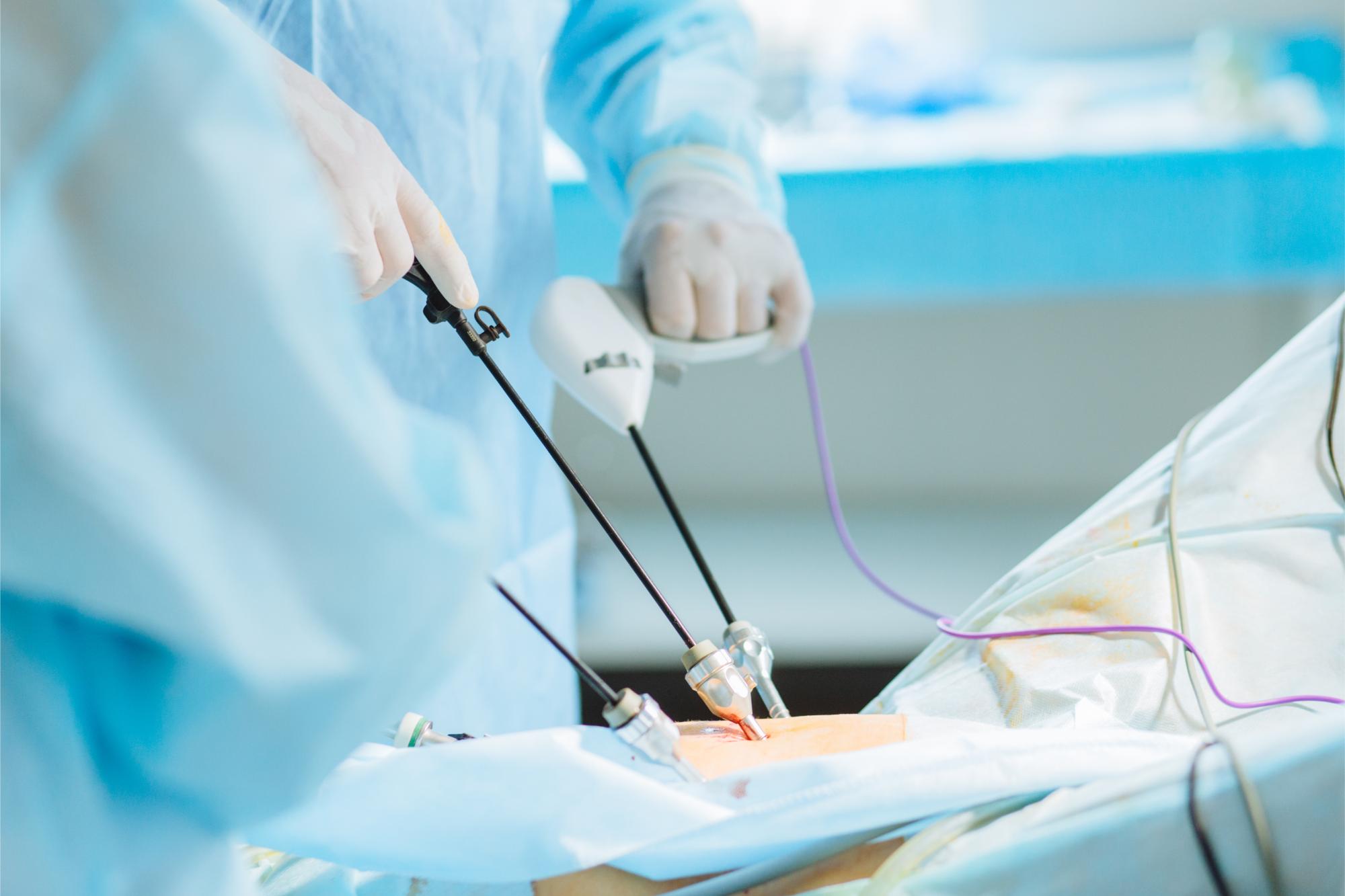
Laparoscopic cholecystectomy is the medical term for keyhole gallbladder surgery. In this procedure, the gallbladder is removed using minimally invasive techniques.
During the procedure, we remove the gallbladder using small surgical instruments and a small camera (called a laparoscope) that allows us to view the area inside your abdomen.
Because laparoscopic cholecystectomy is performed through several small incisions rather than a large cut during traditional open surgery, it’s considered to be the standard approach for gallbladder removal.
There are several ways laparoscopic gallbladder surgery may be performed. We’ll determine the right technique based on your condition, the size and location of the gallstones, and the findings during surgery.
In the standard technique, most surgeons create four small entry points (ports), or “keyholes”, in the abdomen: two measuring 10 mm and two measuring 5 mm.
One of the 10 mm openings is used to insert a telescope connected to a video camera so we can clearly view the internal organs during surgery. The second 10 mm opening serves as the main working port for surgical instruments. The two 5 mm openings allow additional instruments to be used to hold and remove the gallbladder safely.
Because of the combination of incision sizes, this method is sometimes referred to as the “10-10-5-5” or four-port laparoscopic technique.
In the majority of our patients, we will perform a reduced port laparoscopic cholecystectomy, where the number or size of the entry points is reduced. For example, the incisions may be reduced from 10 mm to 5 mm, and only three ports may be required instead of four.
This approach may result in less postoperative discomfort and smaller scars, depending on each individual case.
Compared with traditional open surgery, laparoscopic gallbladder surgery may offer several advantages:

In a small number of cases, a surgeon may decide during the operation that it is safer to convert from keyhole surgery to open surgery. This usually happens when inflammation or scarring makes the anatomy around the bile duct unclear. Converting is a safety decision, not a complication, and it is made to protect the bile duct.
We will discuss this possibility with you before your operation so that you know what it would mean for your recovery and hospital stay.
After gallbladder removal surgery, we’ll monitor your condition in the recovery area as the effects of anaesthesia wear off. You may be able to sit up and walk within a few hours after the procedure.
For planned cases, you may be discharged on the same day or the following day, depending on your recovery.
You may feel mild discomfort around the incision sites or in the abdomen. Pain relief medication can help manage this, and you will be encouraged to start moving gently to support circulation and recovery.
Many patients are able to resume light daily activities within a few days. You may notice some tiredness or mild abdominal soreness, which typically improves as the body heals.
You may be able to return to normal routines, including work and regular activities, depending on the nature of your job and how you feel.
During your follow-up appointment, we’ll review your recovery and check that the surgical wounds are healing well.
If you experience persistent pain, fever, or any unusual symptoms after surgery, contact the Digestive & Liver Surgery team for professional advice.

| Code | What it covers | Surgeon fee | Anaesthetist fee | Hospital fee |
|---|---|---|---|---|
| SF801G | Routine gallbladder removal, open or keyhole. This applies to most patients. | $6000 to $8400 (w/o GST) | $1300 to $2100 (w/o GST) | $8000 to $11,990 (w/o GST) |
| SF706G | Complicated or acute gallbladder removal, for example with severe inflammation or difficult anatomy. | $6200 to $9600 (w/o GST) | $1400 to $2300 (w/o GST) | $9000 to $13,300 (w/o GST) |
The surgeon’s fee covers the operation itself. It does not include:
Two patients having the same operation can receive different bills. The main reasons are:
If you hold an Integrated Shield Plan, gallbladder surgery in a private hospital is generally covered, subject to your plan’s ward entitlement, deductible and co-insurance.
Our surgeons are under major corporate and shield panels, listed on our website. Each insurance panel will have different processes for claims, and a Letter of Guarantee, which our clinic can advise on. Before surgery, we will help you apply for a Letter of Guarantee from your insurer, which reduces the amount you need to pay at discharge.
Three things worth confirming with your insurer before surgery: your ward entitlement, your deductible and co-insurance for this claim year, and whether your plan has a pre-authorisation requirement.
Gallstones can cause recurring pain and inflammation if left untreated. Speak to our surgeons at Digestive & Liver Surgery to determine whether laparoscopic gallbladder removal surgery can help manage your condition.
Recovery from keyhole gallbladder surgery usually takes about one to two weeks for most daily activities, depending on your health and the nature of your work.
After gallbladder removal surgery, bile flows directly from the liver into the small intestine instead of being stored in the gallbladder. While you start to digest food normally, there may be temporary changes, such as mild bloating or loose stools, while your body adjusts.
Quality of life often improves after gallbladder removal when symptoms such as pain and inflammation caused by gallstones are resolved. Many patients find that digestive discomfort and recurring gallbladder attacks no longer occur after surgery.
Yes, a person can live normally without a gallbladder. The liver continues to produce bile for digestion, and many are able to maintain their usual diet and daily activities after recovery.
You may experience mild to moderate discomfort after gallbladder surgery, particularly around the incision sites or in the abdomen. Some patients also notice temporary shoulder pain caused by the gas used during the procedure. These symptoms usually improve within a few days and can be managed with pain relief medication.
Bile duct injury occurs in approximately 0.28% of keyhole gallbladder operations. It is the most serious complication of the procedure. Where it occurs, repair is a specialist biliary operation.
Outcome trends and safety measures after 30 years of laparoscopic cholecystectomy: a systematic review and pooled data analysis. Surg Endosc 2018. Pucher PH, Brunt LM, Davies N, et al.

Senior Consultant Surgeon

Senior Consultant Surgeon
Professional Care You Can trust

New DLS Group Office
We have opened a new administrative office to support our operations.
The address is:
545 Orchard Road
#10-09 Far East Shopping Centre
Singapore 238882
All medical services continue as usual at our four clinics.
Thank you!