
Your liver performs hundreds of essential functions every day. It filters toxins from the blood, produces bile for digestion, and helps regulate metabolism. When it becomes severely damaged, these functions can gradually fail.
If you have advanced liver disease or liver failure, medications and other treatments may no longer be enough to restore liver function.
At Digestive & Liver Surgery, we provide liver transplant surgery in Singapore as part of a comprehensive approach to restoring your liver function.
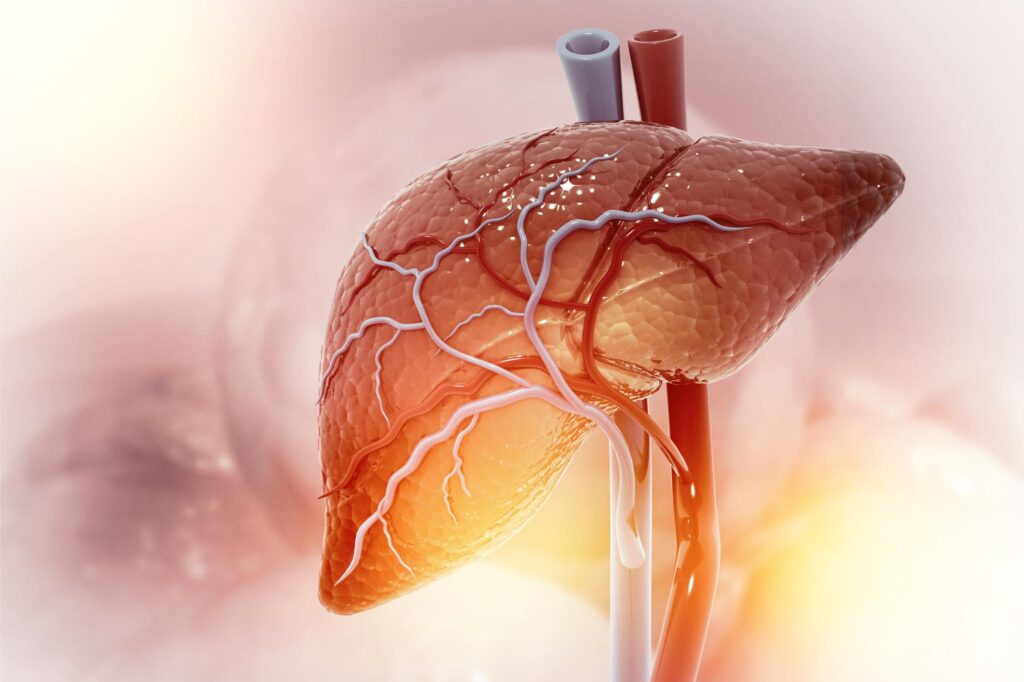
A liver transplant surgery is typically used to replace a severely damaged liver with a healthy one from a donor.
During the surgery, the diseased liver is carefully removed and replaced with a donor liver. The new liver is then connected to the body’s blood vessels and bile ducts so that it can begin functioning in place of the original organ.
Because the liver has the ability to regenerate, a transplanted liver can grow and adapt within the body over time.
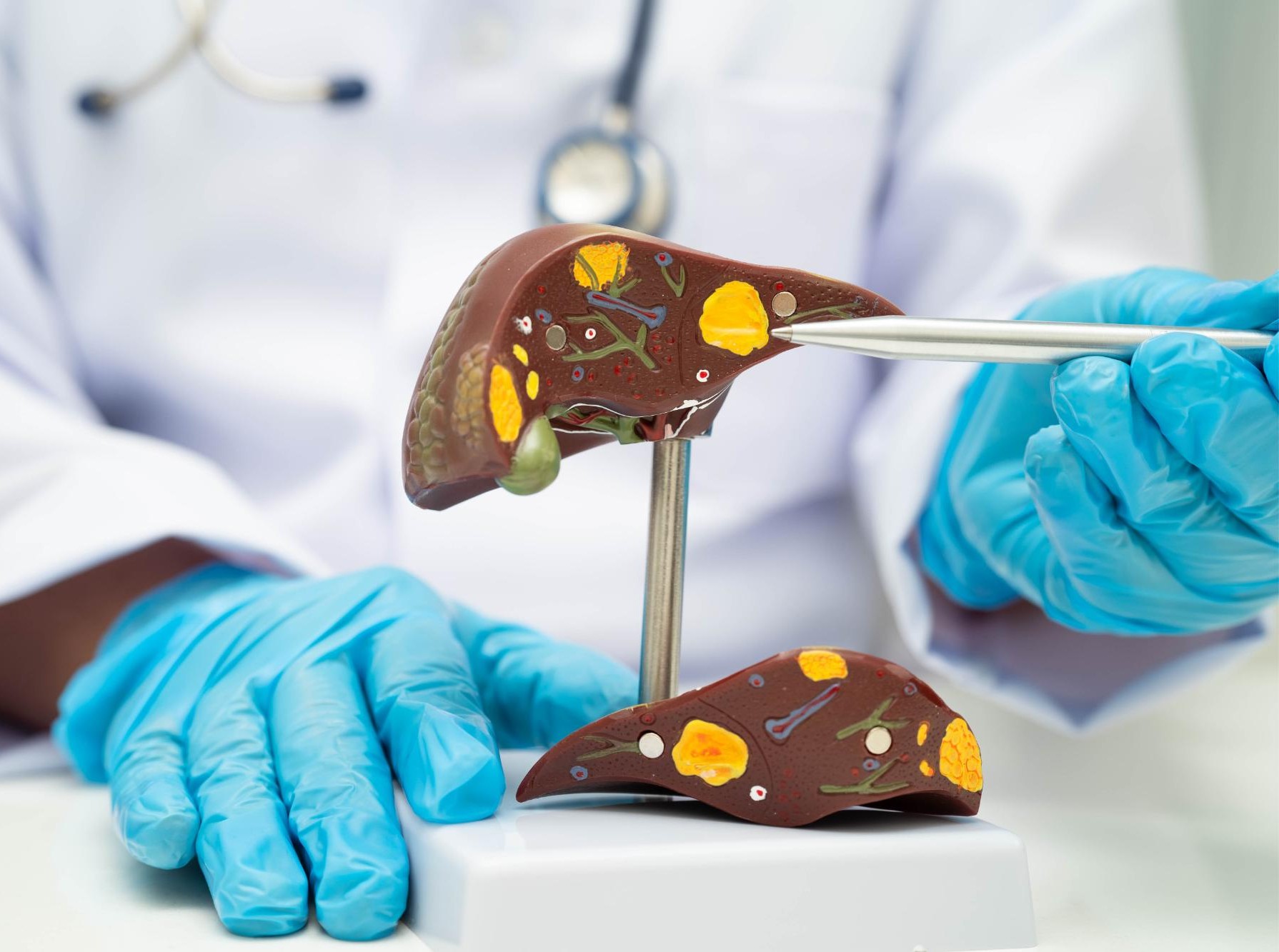
There are two main types of liver transplant procedures, or donations, in Singapore.
In this type of transplant, the donor liver comes from a person who has passed away but has donated their organs.
The entire liver or a portion of it is transplanted into the recipient. The donated liver is carefully preserved and transported before surgery is performed.
Because donor organs are limited, you’re typically placed on a waiting list while a suitable match is identified.
A living donor liver transplant involves receiving part of a liver from a healthy donor who is still alive. The donor may be a family member or another suitable match.
During surgery, a portion of the donor’s liver is removed and transplanted into the recipient.
The liver has a unique ability to regenerate. Over time, the transplanted portion grows in the recipient’s body, while the remaining portion of the donor’s liver also regrows to near normal size.
This type of liver donation in Singapore may reduce waiting time for those who need it urgently.
At Digestive & Liver Surgery, we may consider a liver transplant if your liver has been severely damaged and is no longer able to function effectively.
Below are some conditions that may lead to liver transplant surgery.

Acute liver failure occurs when the liver suddenly loses its ability to function. This condition can progress rapidly and may lead to life-threatening complications.
Symptoms such as jaundice (yellowing of the skin or eyes) and hepatic encephalopathy, a condition where toxin build-up affects brain function, may develop quickly.
In severe cases, liver transplant surgery may be considered a life-saving treatment because the liver damage happens too quickly for the organ to recover on its own.
This condition develops gradually, often as a result of long-standing liver damage.
One common cause is liver cirrhosis, where repeated liver injury leads to scarring of the liver tissue. As the scarring progresses, the liver may become less able to perform its normal functions.
In advanced stages of chronic liver disease, a liver transplant may be considered when other treatments are no longer able to control the condition.
In some situations, liver transplant surgery may be considered for patients with liver cancer.
Transplantation may be suitable for patients whose cancer remains confined to the liver. This usually includes tumours that are relatively small and limited in number, with no spread into major blood vessels.
Replacing the diseased liver may help remove both the tumour and the underlying liver disease that contributed to the cancer.
Consult a specialist to discuss your condition and the next steps.
A liver transplant may not be recommended if you have:
Patients with a history of alcohol or drug dependency are typically required to remain drug- and alcohol-free for at least six months before a liver transplant and may be asked to undergo random screening tests.

Before a liver transplant surgery can be considered, we carry out several tests to assess your liver condition and determine whether the procedure is suitable for you.
Your evaluation may include:
Once these tests are completed, we’ll review the results with you and discuss whether a liver transplant is recommended.

Liver transplant surgery carries certain risks, which can generally be grouped into two categories.
During the early recovery period, we may perform regular blood tests and medical checks to ensure your new liver is functioning properly and to detect any signs of complications.
After you’re discharged, we may also advise you to:

Liver transplant survival rates generally depend on the health condition of both the patient and the transplanted liver. The expectation is that about 70% of patients live at least five years after liver transplant surgery, while the remaining 30% may not survive beyond that period.
If your liver condition has progressed, a transplant or donation evaluation may help determine whether you need surgery or other treatments.
During your consultation at Digestive & Liver Surgery, we’ll review your medical history, assess your liver function, and discuss suitable treatment options.
A liver transplant surgery typically takes six to twelve hours, depending on the complexity of the case and your condition.
You may be able to return to normal daily activities after recovery. Long-term success usually depends on regular follow-up care and taking anti-rejection medications as prescribed.
Life expectancy varies depending on factors such as the patient’s health and the underlying liver disease. Many patients live 10 to 20 years or longer after a successful liver transplant.
The cost of a liver transplant in Singapore can vary depending on the hospital or clinic, the complexity of the surgery, and the length of stay.
Digestive & Liver Surgery is an MOH-accredited clinic, so a portion of your procedure cost may be claimable using Medisave. We work with private insurers and IP (Integrated Shield Plans). Our listed price is an all-inclusive estimate which covers the procedure, facility fee and basic medications.

Senior Consultant Surgeon

Senior Consultant Surgeon
Professional Care You Can trust

New DLS Group Office
We have opened a new administrative office to support our operations.
The address is:
545 Orchard Road
#10-09 Far East Shopping Centre
Singapore 238882
All medical services continue as usual at our four clinics.
Thank you!