
Have you been experiencing discomfort after a meal? You may have started adjusting what you eat or eating less. Over time, these small changes can begin to affect your daily routine, even if the cause isn’t immediately clear.
With an endoscopy, your doctor can examine your digestive tract and identify any underlying conditions. Then you can plan the next steps in your care.
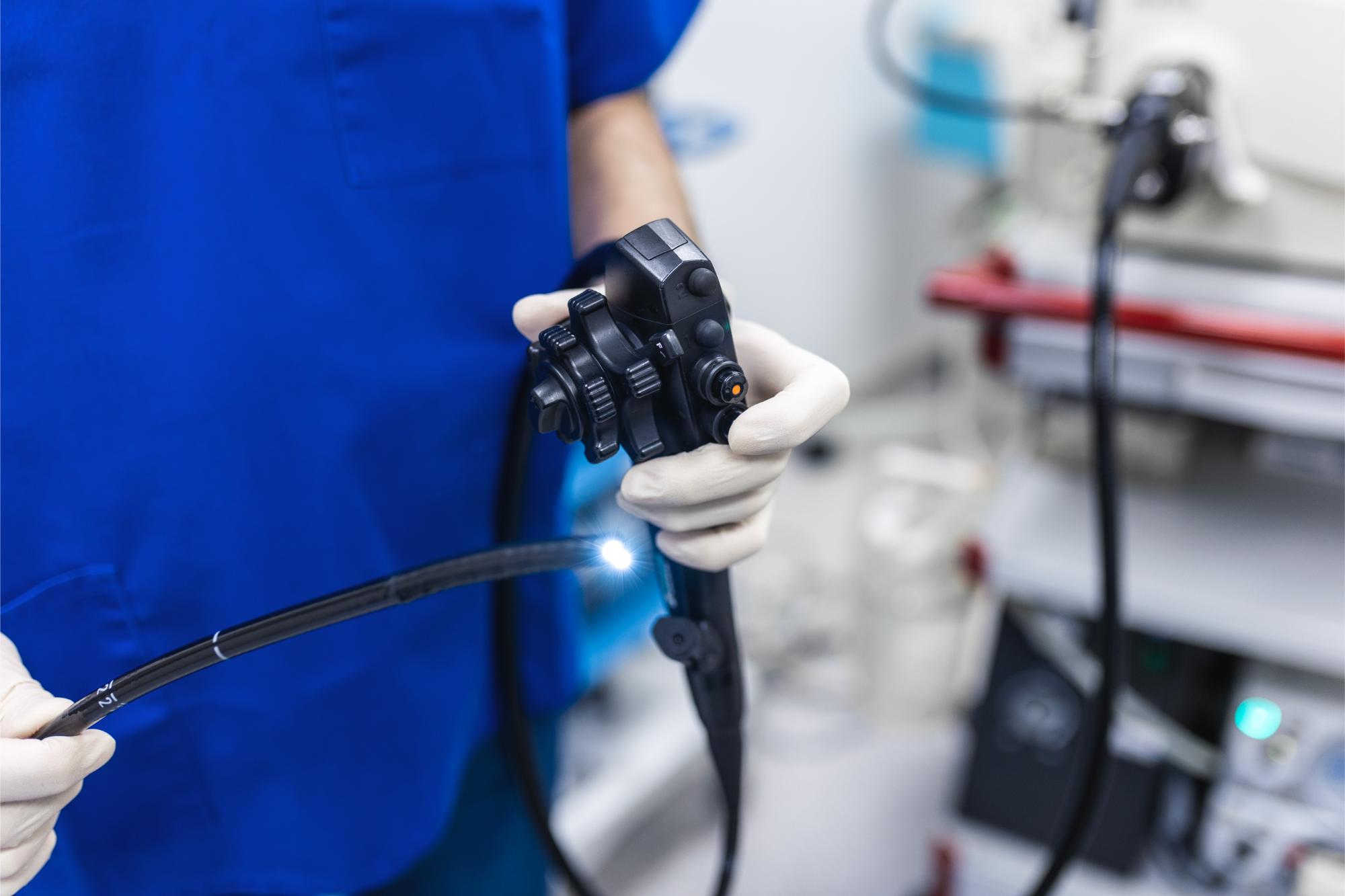
An endoscopy is a minimally invasive procedure that allows us to examine your digestive tract using a thin, flexible tube with a small camera, known as an endoscope. This gives us a clear, real-time view of your oesophagus, stomach, or colon, and helps us identify possible causes of your symptoms.
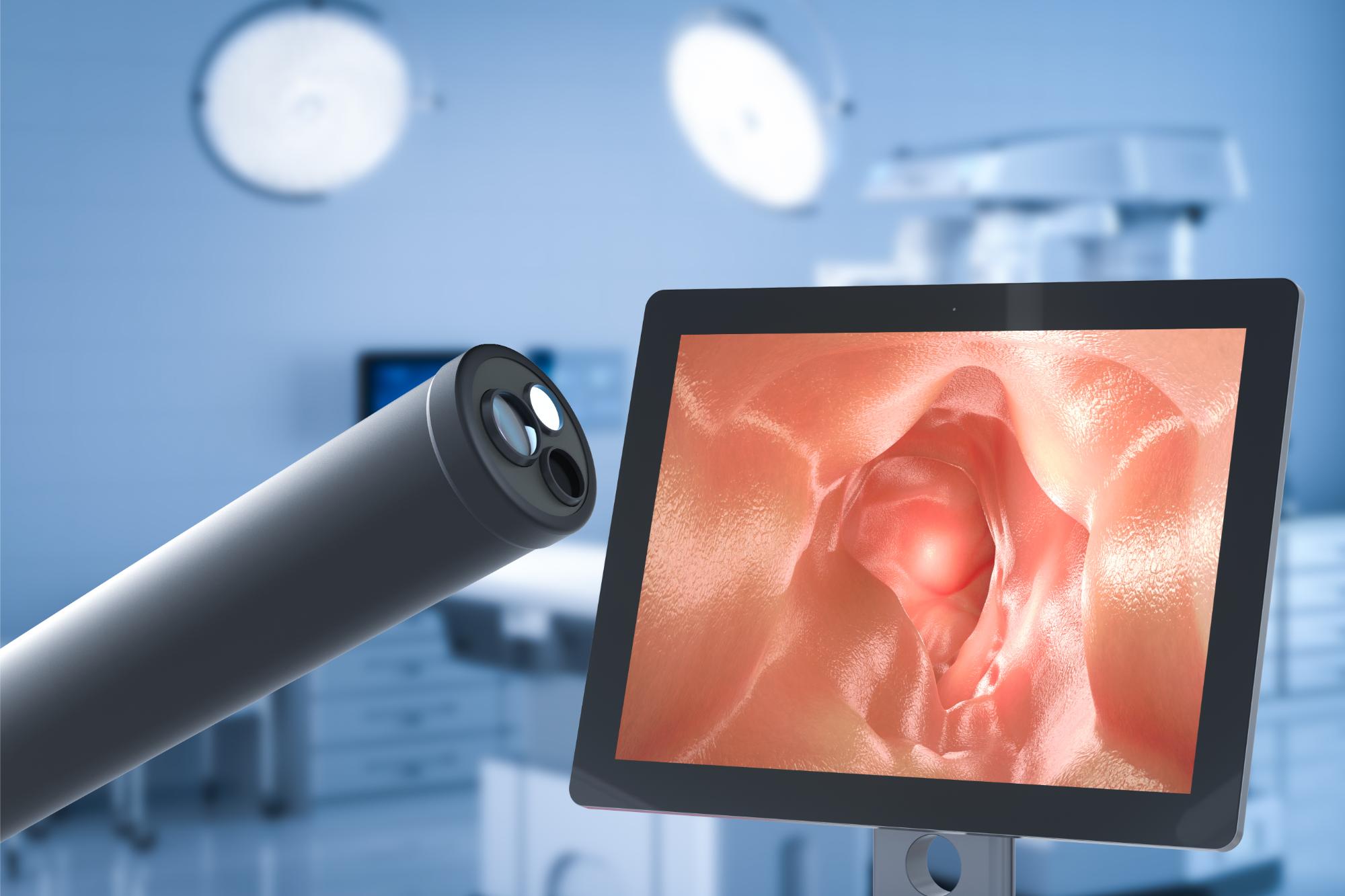
In Singapore, different types of endoscopy are used to examine specific parts of the digestive tract, depending on your symptoms and what we need to assess.
Digestive symptoms like upper abdominal pain or bloating can sometimes be related to liver or gallbladder issues. As a specialist-focused HPB (hepato-pancreato-biliary) practice in Singapore, we look at the “big picture” of your digestive health, not just the stomach lining.
We may recommend an endoscopy when your symptoms are ongoing, unclear, or require a closer look to determine the cause.
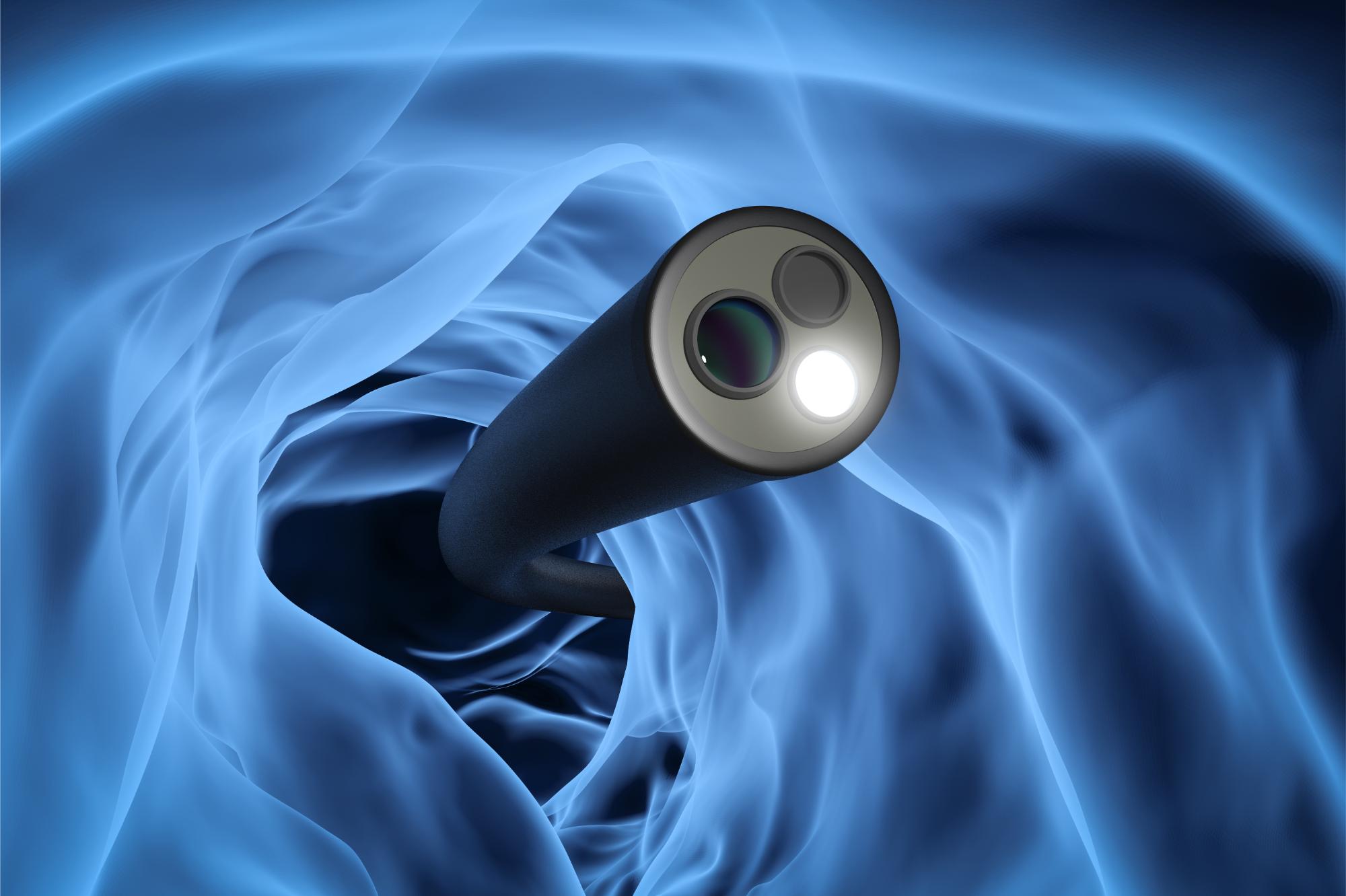
A gastroscopy is ideal if you experience:
A colonoscopy might be what you need if you notice:
A colonoscopy is also commonly recommended for colorectal cancer screening if you’re 50 years or older, even if you do not have symptoms. We may recommend screening earlier if you have:
In some cases, we may recommend endoscopy to:
Get a clear diagnosis and treatment options at Digestive & Liver Surgery.
Preparing for your endoscopy in Singapore helps ensure we can examine your digestive tract clearly and carry out the procedure safely. We’ll provide specific instructions based on the type of endoscopy and your medical history.
For a gastroscopy, we may ask you to:
For a colonoscopy, we’ll guide you through bowel preparation to clear the colon for examination. This usually involves:
An endoscopy is typically a short procedure. During the examination, a thin, flexible scope is inserted through the mouth for a gastroscopy, or through the anus for a colonoscopy.
You may be given sedation to help you relax and remain comfortable throughout the procedure. This is typically discussed at your consultation.
While the scope is in place, we examine the lining of your digestive tract in real time and may take small tissue samples (biopsies) if needed.
After the procedure, we will monitor you for a short period as the sedation wears off. Most patients find the procedure tolerable, though some mild, temporary effects may occur.
You may notice:
We’ll usually review the initial findings with you after the procedure. If biopsies are taken, results are typically available within a few days.
Many patients are able to return to their usual activities the next day. You may feel slightly drowsy from the sedation, so it’s important to follow our instructions for a smooth recovery.
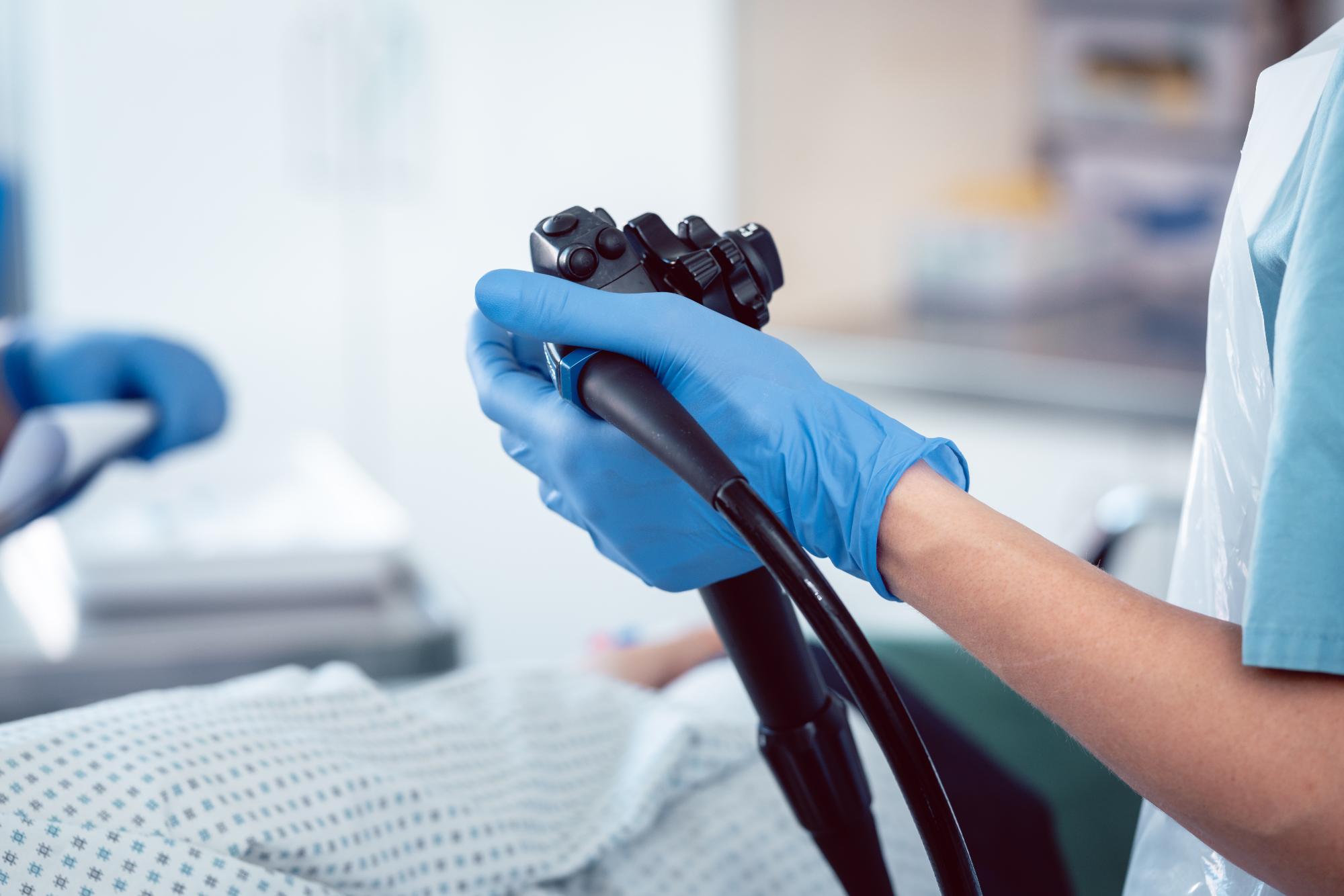
At Digestive & Liver Surgery, our surgeons, Dr Victor Lee and Dr Tan Ek Khoon, will assess your condition thoroughly before determining whether an endoscopic evaluation is appropriate for you.
The cost of a diagnostic upper GI endoscopy in Singapore typically ranges from $1,784 to $2,362, while a diagnostic lower GI endoscopy is around $2,261 to $2,889.
Digestive & Liver Surgery is an MOH-accredited clinic, so a portion of your procedure cost may be claimable using Medisave. We work with private insurers and IP (Integrated Shield Plans). Our listed price is an all-inclusive estimate which covers the procedure, facility fee and basic medications.
An endoscopy is generally not painful, as you will usually be given sedation. You may feel slight pressure or mild discomfort during or after the procedure, but this is usually temporary.
An endoscopy typically takes about 15 to 30 minutes to perform, including preparation and recovery time. You can expect the entire process to take a few hours.
Most side effects of an endoscopy are mild and temporary. You may experience a sore throat, bloating, or gas discomfort.
You can usually receive the initial results of your endoscopy on the same day. If biopsies are taken, the results are typically available within a few days.

Senior Consultant Surgeon

Senior Consultant Surgeon
Professional Care You Can trust

New DLS Group Office
We have opened a new administrative office to support our operations.
The address is:
545 Orchard Road
#10-09 Far East Shopping Centre
Singapore 238882
All medical services continue as usual at our four clinics.
Thank you!