
Home / Conditions / Gallstones
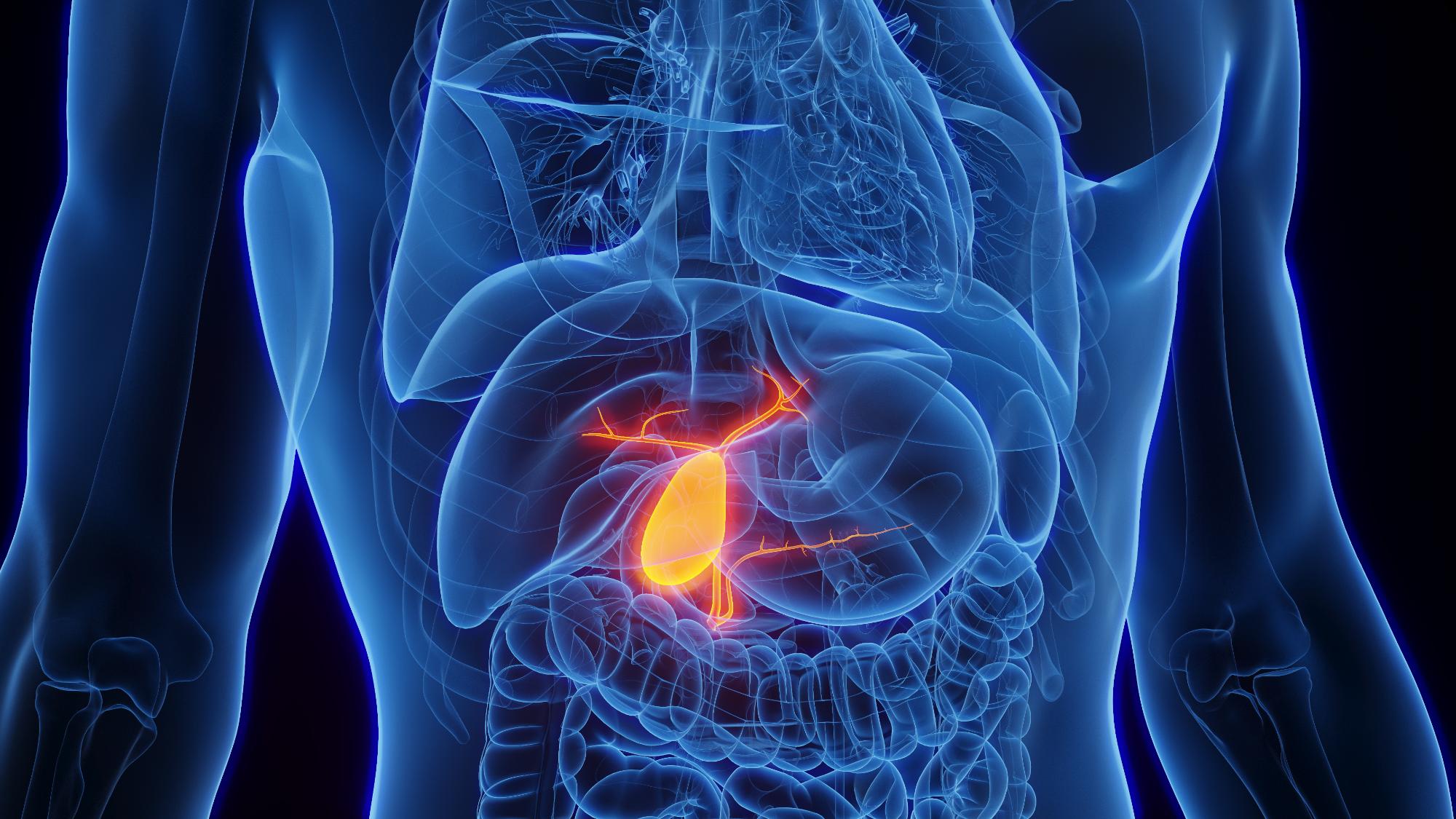
Gallstones are small, hardened deposits that form in the gallbladder, a small organ located beneath the liver that stores bile, the digestive fluid used to break down fats.
Gallstones develop when certain substances in bile, such as cholesterol or bilirubin, become too concentrated and begin to crystallise. Over time, these crystals can grow into stones that vary in size, number, and composition.
Understanding what gallstones are and how they form can help you make sense of the condition and the treatment options available in Singapore.
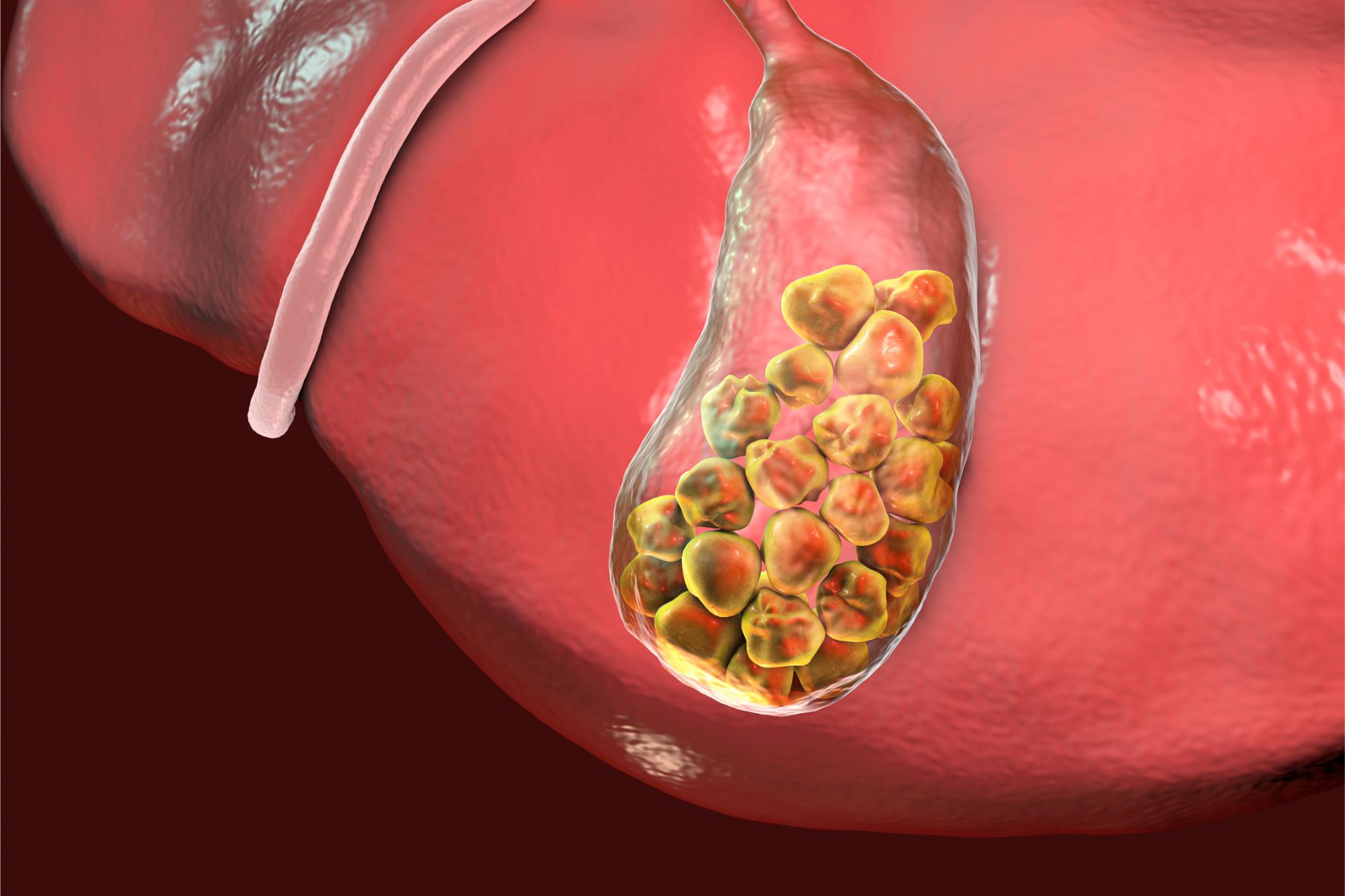
These are the most common types of gallstones. Cholesterol stones form when bile contains more cholesterol than can be dissolved, causing an excess amount to crystallise and gradually form solid stones within the gallbladder.
Pigment stones are made primarily of bilirubin, a substance produced when the body breaks down old red blood cells. These stones tend to be darker in colour and may develop in people with certain liver conditions, infections of the bile ducts, or blood disorders that increase bilirubin levels.
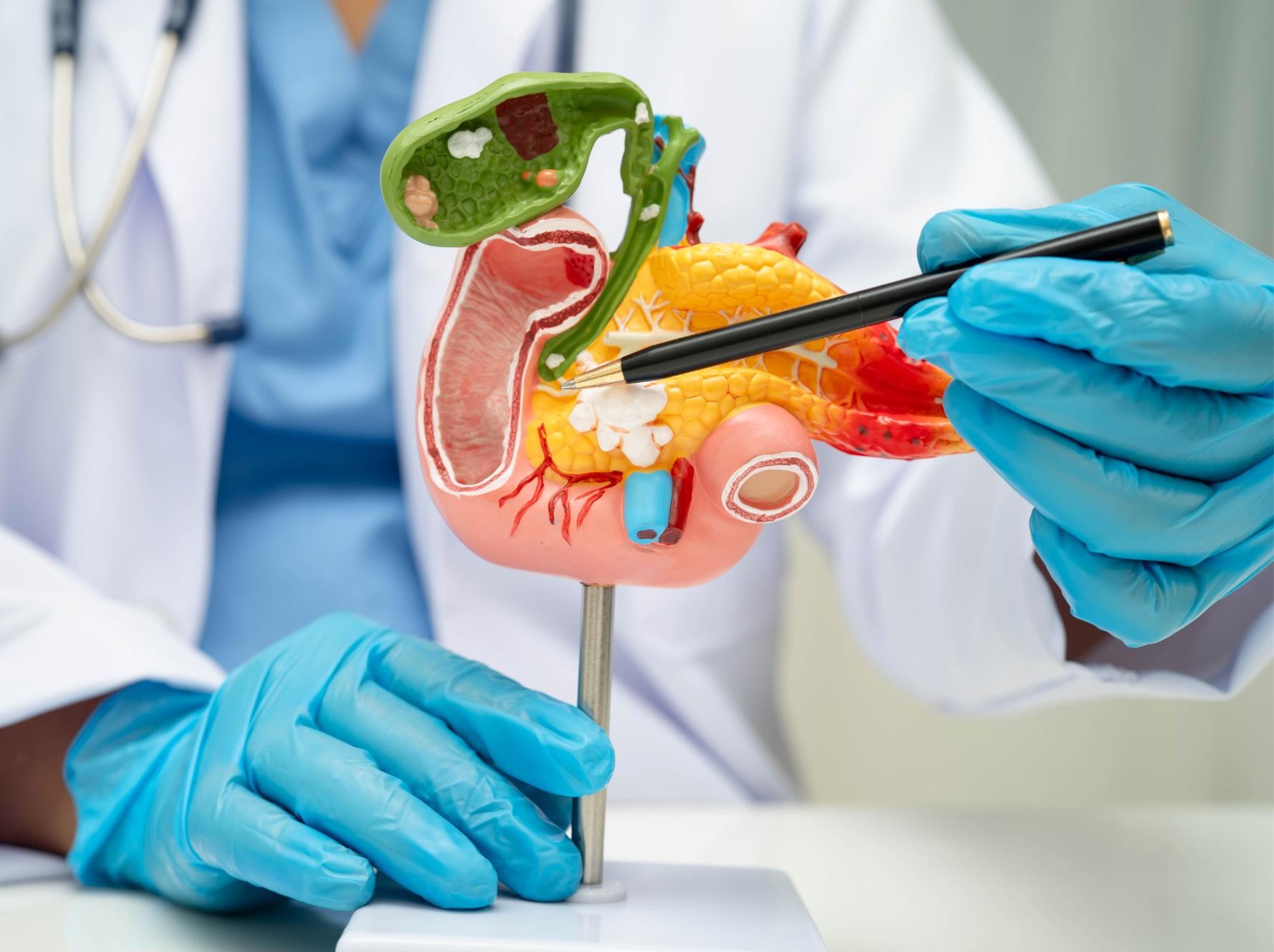
Gallstones can develop when the normal movement and storage of bile in the gallbladder is disrupted.
Bile is produced by the liver and stored in the gallbladder before being released into the small intestine to help digest fats. When this system does not function as it should, bile can remain in the gallbladder for longer than usual, allowing solid particles to gradually develop.
Several factors may contribute to this process:
Get a clear diagnosis and treatment plan from our surgeons at Digestive & Liver Surgery.
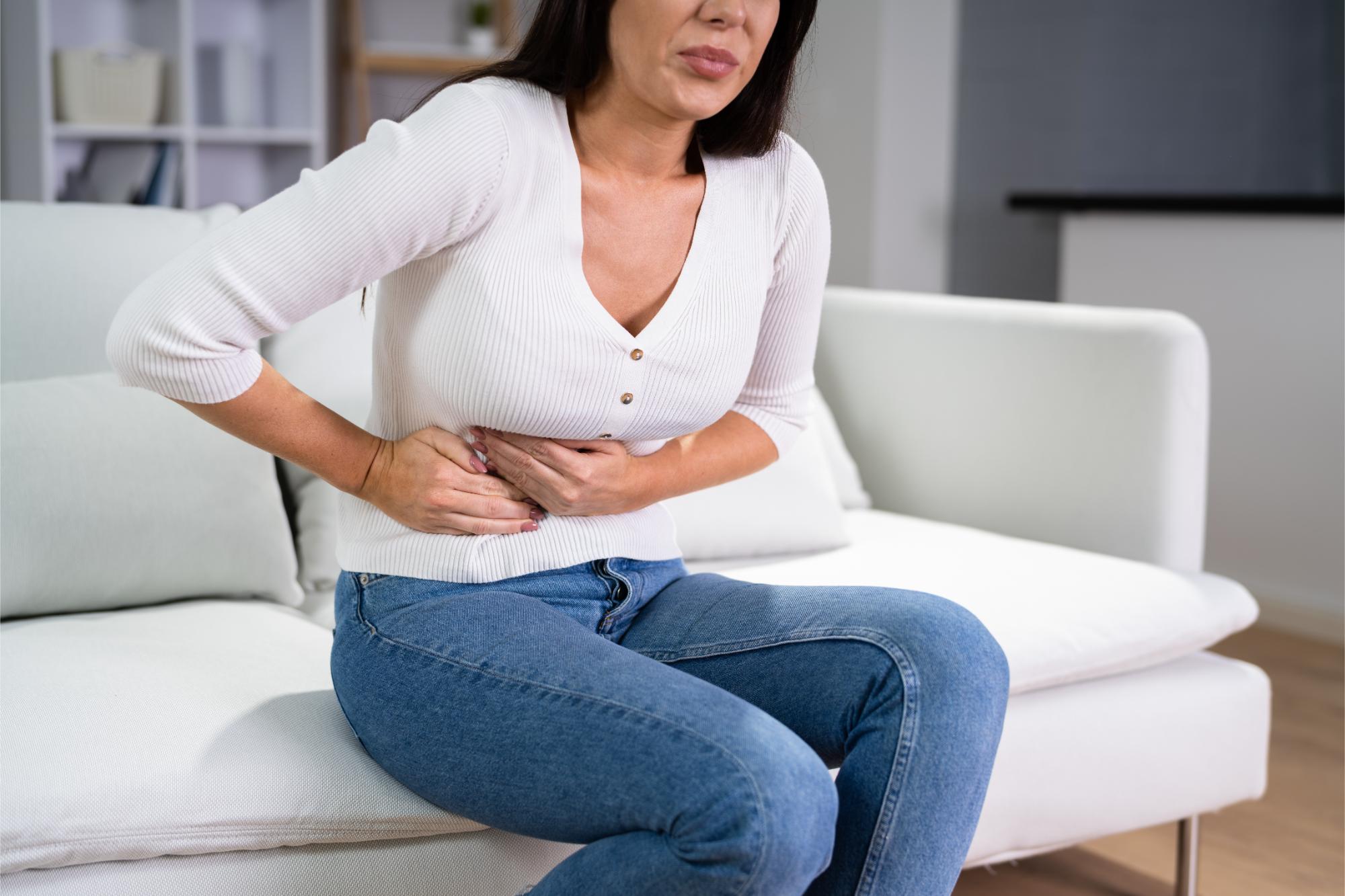
Here’s what you may experience if you have gallstones:
More severe symptoms may indicate complications from the stones found in your gallbladder and require treatment. These may include:
It’s also possible to have gallstones without experiencing any symptoms. In many cases, gallstones are discovered incidentally during imaging tests performed for other medical reasons.
You may have a higher likelihood of developing gallstones if you:
At Digestive & Liver Surgery, we typically begin with a clinical assessment and imaging tests to confirm the presence of stones and evaluate your gallbladder and bile ducts.
Depending on your symptoms and medical history, you may be asked to undergo one or more of the following investigations:

Your treatment will depend largely on whether your gallstones are causing symptoms.
If gallstones are detected during an ultrasound but you don’t experience symptoms, treatment is usually not required. Monitoring your condition may be sufficient.
If gallstones begin to cause pain or complications, gallbladder removal surgery may be recommended as part of your treatment plan. Surgery may also be considered if you have certain medical conditions, such as haemolytic anaemia, or if there’s an increased risk of gallbladder cancer.
In most cases, we perform cholecystectomy using laparoscopic (keyhole) surgery. During the procedure, we remove the gallbladder through several small incisions in your abdomen using specialised instruments.
You may be able to return home on the same day or after an overnight stay in the hospital, depending on your recovery.
In more complex cases, an open surgical procedure may be required. This involves a larger incision in the abdomen and usually requires a longer hospital stay.
Gallstones with complications are usually treated as emergency cases. These include:
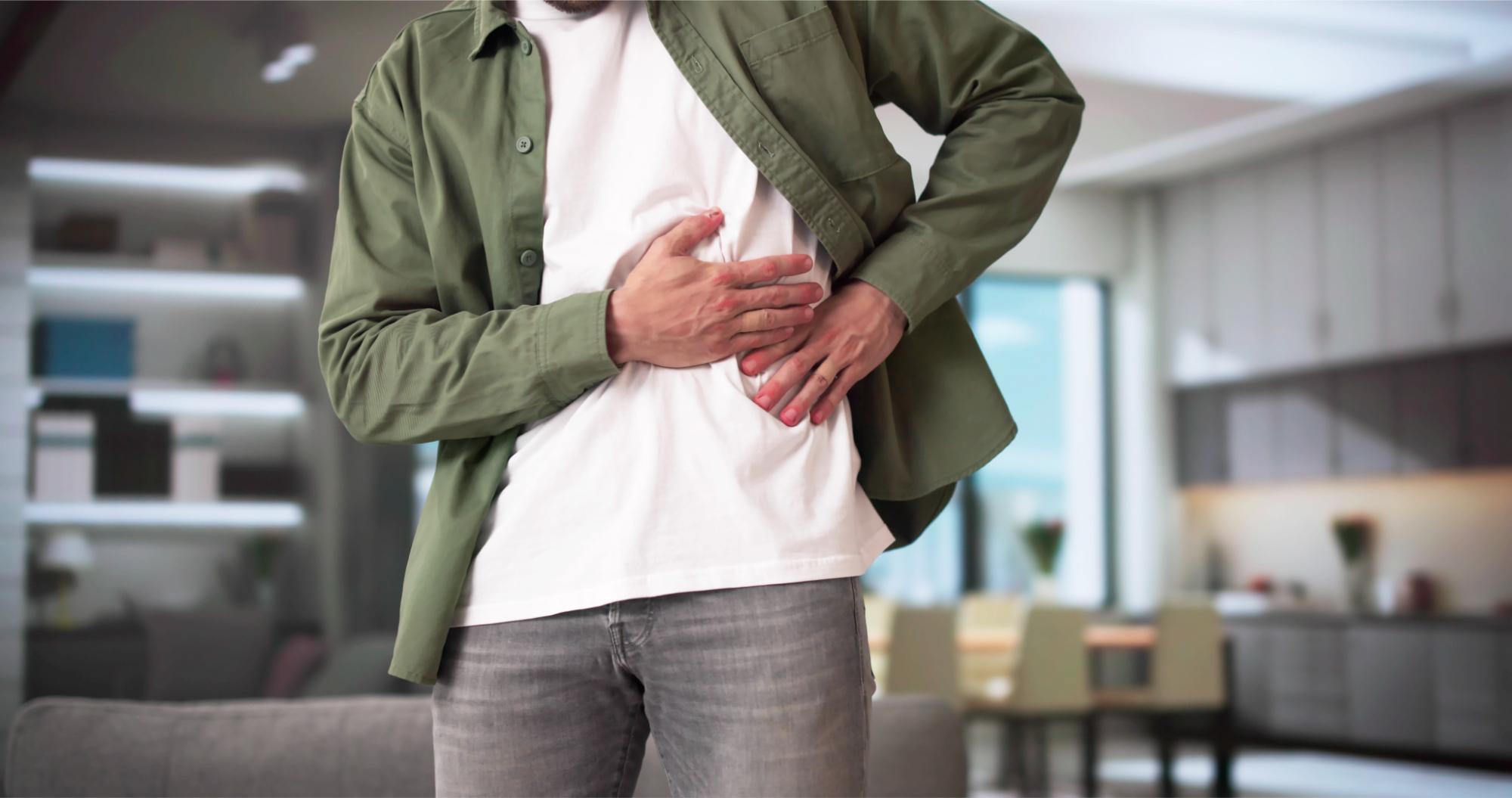
Gallstones cannot always be prevented, but certain lifestyle habits may help reduce your risk.
Maintaining a healthy body weight and eating a balanced diet can support normal bile function.
Rapid weight loss and crash dieting can increase the risk of gallstones, so gradual and sustainable weight management is generally recommended.
Gallstones can lead to recurring pain or complications if they continue to block the flow of bile. Speak with our surgeons at Digestive & Liver Surgery to determine what kind of gallstones treatment you need.
No, gallstones usually don’t go away on their own. Once formed, they tend to remain in the gallbladder unless they are removed or pass into the bile ducts.
Untreated gallstones may lead to gallbladder infection, bile duct obstruction, or pancreatitis.
Yes, it can be safe to live with gallstones if they do not cause symptoms. In such cases, we may recommend monitoring rather than surgery unless pain or complications develop.
Non-surgical treatments are limited and are not suitable for most patients. Surgery to remove the gallbladder is an effective way to treat symptomatic gallstones.
Surgery is usually recommended when gallstones cause symptoms or complications rather than based on their size alone. Recurrent pain, inflammation, or bile duct blockage are common reasons surgery may be recommended.

Senior Consultant Surgeon

Senior Consultant Surgeon
Professional Care You Can trust

New DLS Group Office
We have opened a new administrative office to support our operations.
The address is:
545 Orchard Road
#10-09 Far East Shopping Centre
Singapore 238882
All medical services continue as usual at our four clinics.
Thank you!