
Summary:
|
Hepatitis B Carriers in Singapore: Monitoring Liver Risk
Hepatitis B often causes no noticeable symptoms, even in people who have been living with the infection for years. However, chronic hepatitis B can gradually damage the liver and increase the risk of serious complications.
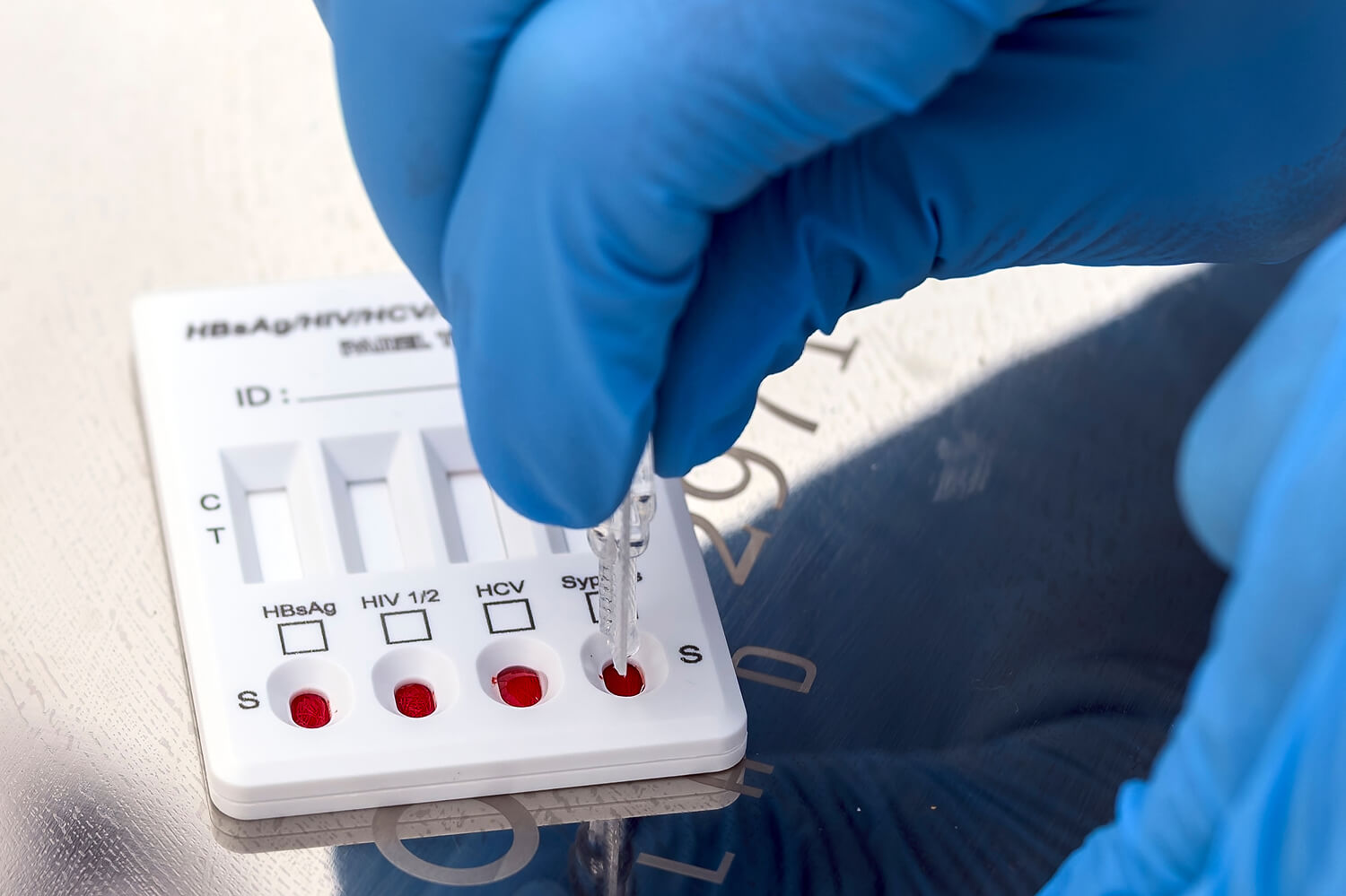
For hepatitis B carriers in Singapore, regular monitoring through hepatitis B screening helps doctors assess liver health, detect changes early, and determine whether treatment is needed.
What are the hepatitis B screening tests typically used, and how often should they be done? Read on to find out.
What Does It Mean to Be a Hepatitis B Carrier?
Being a hepatitis B carrier means that hepatitis B surface antigen (HBsAg, a protein found on the surface of the hepatitis B virus) has been detected in your blood for six months or longer. This distinguishes a chronic carrier from someone who had an acute infection and cleared it.
Inactive Carrier Versus Active Chronic Infection
Not all carriers are in the same situation. An inactive carrier typically has a low viral load (the amount of virus circulating in the blood), normal liver enzyme levels, and minimal liver inflammation. The immune system has, in effect, brought the virus under control, though it has not eliminated it.
Active chronic infection is different. Here, the virus continues to replicate at higher levels, liver enzymes may be persistently raised, and ongoing inflammation puts the liver at greater risk of damage over time. The distinction matters because it influences whether antiviral treatment is needed and how closely you need to be monitored.
What HBsAg, Anti-HBs and HBeAg Indicate
Three markers come up frequently in hepatitis B blood tests:
| Marker | What It Is | What a Positive Result Means |
| HBsAg | Hepatitis B surface antigen | Confirms current infection or carrier status |
| Anti-HBs | Antibody to HBsAg | Indicates immunity, either from vaccination or a past infection that resolved |
| HBeAg | Hepatitis B e antigen | Suggests active viral replication and higher infectivity; its absence usually, though not always, indicates lower viral activity |
Your doctor will interpret these alongside your viral load and liver function results rather than in isolation.
Why Carrier Status Varies Across Populations
Hepatitis B is more prevalent in Asia than in most Western countries. In Singapore, studies have estimated that approximately 4–5% of the population carries HBsAg, with rates higher among those born before the national vaccination programme began in 1987. Most people acquired the virus at birth or in early childhood, when the immune system is less equipped to clear it, which is why perinatal transmission leads to chronic carriage in a large proportion of cases.
Can Hepatitis B Be Cured?
There is currently no treatment that reliably eliminates hepatitis B from the body entirely.
Antiviral medications can suppress viral replication to very low or undetectable levels, reducing the risk of liver damage, but they do not eradicate the virus in most patients. A small proportion of people do eventually clear HBsAg spontaneously, but this is not something that can be reliably predicted or guaranteed by treatment.
If you have recently been told you are a carrier and are unsure what this means for you, a consultation with a hepatobiliary surgeon can help clarify your situation. Get in touch with Digestive & Liver Surgery to arrange an assessment.
How Can Chronic Hepatitis B Affect the Liver Over Time?
From Inflammation to Scarring
When the virus is actively replicating, your immune system mounts a response against infected liver cells. Repeated rounds of inflammation can cause scarring, a process called fibrosis (the accumulation of scar tissue in the liver).
Over many years, extensive fibrosis may progress to cirrhosis (widespread scarring that disrupts the liver’s structure and impairs its function). Cirrhosis increases the risk of liver failure and liver cancer significantly.
Why Cancer Can Develop Without Cirrhosis
Hepatitis B can increase your risk of hepatocellular carcinoma (HCC, the most common form of primary liver cancer) even in people who have not developed cirrhosis. This is thought to be related to the virus’s ability to integrate into liver cell DNA and directly promote abnormal cell growth. It is one of the reasons that hepatitis B screening is recommended even for carriers with relatively mild liver disease.
What Raises or Lowers Individual Risk
Several factors influence an individual carrier’s risk of progression.
| Factors That Raise Risk | Factors That May Lower Risk |
| High viral load, longer duration of infection, male sex, family history of liver cancer | Low or undetectable viral load |
| Co-infection with hepatitis C or delta virus | Early initiation of antiviral therapy where indicated |
| Heavy alcohol use | Avoiding additional liver stressors |
| Non-alcoholic fatty liver disease (NAFLD, the accumulation of excess fat in liver cells) | |
| Age at infection |
Not sure what your risk is? A liver assessment with Digestive & Liver Surgery can give you a clearer picture of your current liver health and whether closer monitoring is needed.
What Tests Are Used to Monitor Hepatitis B?
Blood Tests and Viral Load
Regular monitoring typically includes liver function tests (LFTs, which measure enzyme levels that indicate how well the liver is working) and hepatitis B viral load (quantitative HBV DNA, measuring the amount of virus in the blood).
At Digestive & Liver Surgery, hepatitis B screening in Singapore encompasses these blood tests alongside a review of your overall liver health.
Ultrasound Surveillance and Alpha-Fetoprotein
Liver ultrasound (an imaging scan using sound waves) allows doctors to examine the liver’s size, texture, and surface, and to look for any abnormal lesions. It is often done alongside a blood test for alpha-fetoprotein (AFP), a protein that may be elevated in some cases of liver cancer. Neither test is perfect in isolation, which is why they are usually used together.
Assessing Liver Stiffness
MRI or ultrasound elastography measures liver stiffness as a proxy for fibrosis. It is a non-invasive test, typically completed in a few minutes, and gives useful information about whether significant scarring is present without the need for a liver biopsy in most cases.
How Often Monitoring Is Repeated
The frequency of monitoring depends on your individual risk profile. In general, carriers at higher risk of liver cancer (including those with cirrhosis, a family history of HCC, or certain other risk factors) are monitored every six months. Lower-risk inactive carriers may be reviewed less frequently, though this varies by clinical guideline and individual circumstances. Your hepatologist or surgeon will advise on the appropriate interval for your situation.
What Happens When a Liver Lesion Is Found?
How a Lesion Is Characterised
Not every abnormality found on ultrasound is cancer. If a lesion is detected, further imaging is usually arranged, typically a dynamic contrast-enhanced CT (computed tomography) scan or MRI (magnetic resonance imaging), which can assess blood flow patterns in the lesion.
Certain imaging characteristics are considered strongly suggestive of HCC, and in many cases a diagnosis can be made without a biopsy.
When Liver Resection Is Considered
Liver resection (surgical removal of the portion of the liver containing the tumour) may be considered for patients with early-stage tumours, adequate liver function, and sufficient remaining liver volume after surgery.
At Digestive & Liver Surgery, resection is performed using minimally invasive techniques where appropriate. It can offer a potentially curative option for suitable candidates, though not every patient meets the criteria.
When Ablation or Transplant Assessment Applies
For tumours that are small but not surgically resectable, ablation (destroying the tumour using heat or other energy, delivered via a needle under imaging guidance) is an option.
Liver transplantation may be considered for patients with early-stage HCC and underlying cirrhosis, as it addresses both the cancer and the damaged liver simultaneously.
Why Earlier Detection Widens the Options
The range of treatment options narrows considerably as HCC advances. Tumours detected at an early stage, when they are small and confined to the liver, are far more likely to be amenable to curative treatment. This is why it’s important to catch a lesion early, when it is still treatable, rather than after symptoms appear.
How Can Hepatitis B Carriers Look After Their Liver?
Alcohol and Fatty Liver as Compounding Factors
Alcohol is directly toxic to liver cells and accelerates fibrosis in people who already have hepatitis B. Even moderate drinking may compound liver damage synergistically in a way that it would not in someone without underlying liver disease.
Similarly, fatty liver disease, increasingly common in Singapore due to dietary patterns and rising rates of obesity and metabolic syndrome, adds another layer of stress to a liver already dealing with hepatitis B.
Medication and Supplement Caution
Some common medications, including certain painkillers, and a number of herbal or traditional supplements, may place additional strain on the liver. If you are a carrier, it is worth checking with your doctor before starting any new medication or supplement.
Protecting Household Members Through Testing and Vaccination
Hepatitis B can be transmitted through blood, sexual contact, and from mother to child. Close household contacts and sexual partners of carriers should be tested and, if they are not immune, vaccinated. The vaccination course is safe and effective, and immunity can be confirmed with a follow-up blood test.
Frequently Asked Questions
What does it mean to be an inactive carrier of hepatitis B?
An inactive carrier has persistent HBsAg in the blood but low or undetectable viral replication, normal or near-normal liver enzyme levels, and minimal liver inflammation. While the risk of complications is lower than in active infection, it is not zero, and periodic monitoring is still recommended.
Can I be a carrier of hepatitis B without knowing?
Yes. Many carriers have no symptoms and may remain unaware of their status for years. In Singapore, hepatitis B screening is recommended for adults who have not previously been tested, particularly those born before 1985.
Can a hepatitis B carrier pass the virus to family members?
Yes, through blood contact, sexual transmission, or from mother to child during birth. Household members who are not immune should be tested and vaccinated.
Does a hepatitis B carrier need antiviral medication for life?
Not necessarily. Antiviral treatment is recommended when viral load is high, liver function is significantly affected, or the risk of progression is elevated. Inactive carriers with low viral activity may not require medication but still need regular monitoring.
Do all hepatitis B carriers need liver cancer surveillance?
Current guidelines generally recommend surveillance for carriers at elevated risk of HCC, including those with cirrhosis, significant fibrosis, a family history of liver cancer, or certain other risk factors. Your doctor will advise based on your individual profile.
Can a hepatitis B carrier donate blood or an organ in Singapore?
Hepatitis B carriers are not eligible to donate blood in Singapore. Living organ donation is also generally not possible for active carriers, though suitability for deceased donor programmes may vary. You should discuss this directly with the relevant medical team.
Speak to a Hepatobiliary Surgeon About Hepatitis B Monitoring
At Digestive & Liver Surgery, our senior consultant surgeons Dr Victor Lee Tswen Wen and Dr Tan Ek Khoon are hepato-pancreato-biliary (HPB) and transplant-trained specialists with combined experience in liver surgery and minimally invasive techniques.
We see patients with a range of liver conditions, including those requiring hepatitis B screening and surveillance, further investigation of a detected lesion, or surgical management of liver tumours.
To arrange a consultation, please contact our clinic directly.


