
Summary:
|
For many people, the most stressful part of a colonoscopy is not the procedure itself but the uncertainty beforehand.
Questions about bowel preparation, sedation, discomfort, recovery, and costs are common, particularly for first-time patients.
Here’s everything you need to know before going for a colonoscopy in Singapore.
What is a Colonoscopy?
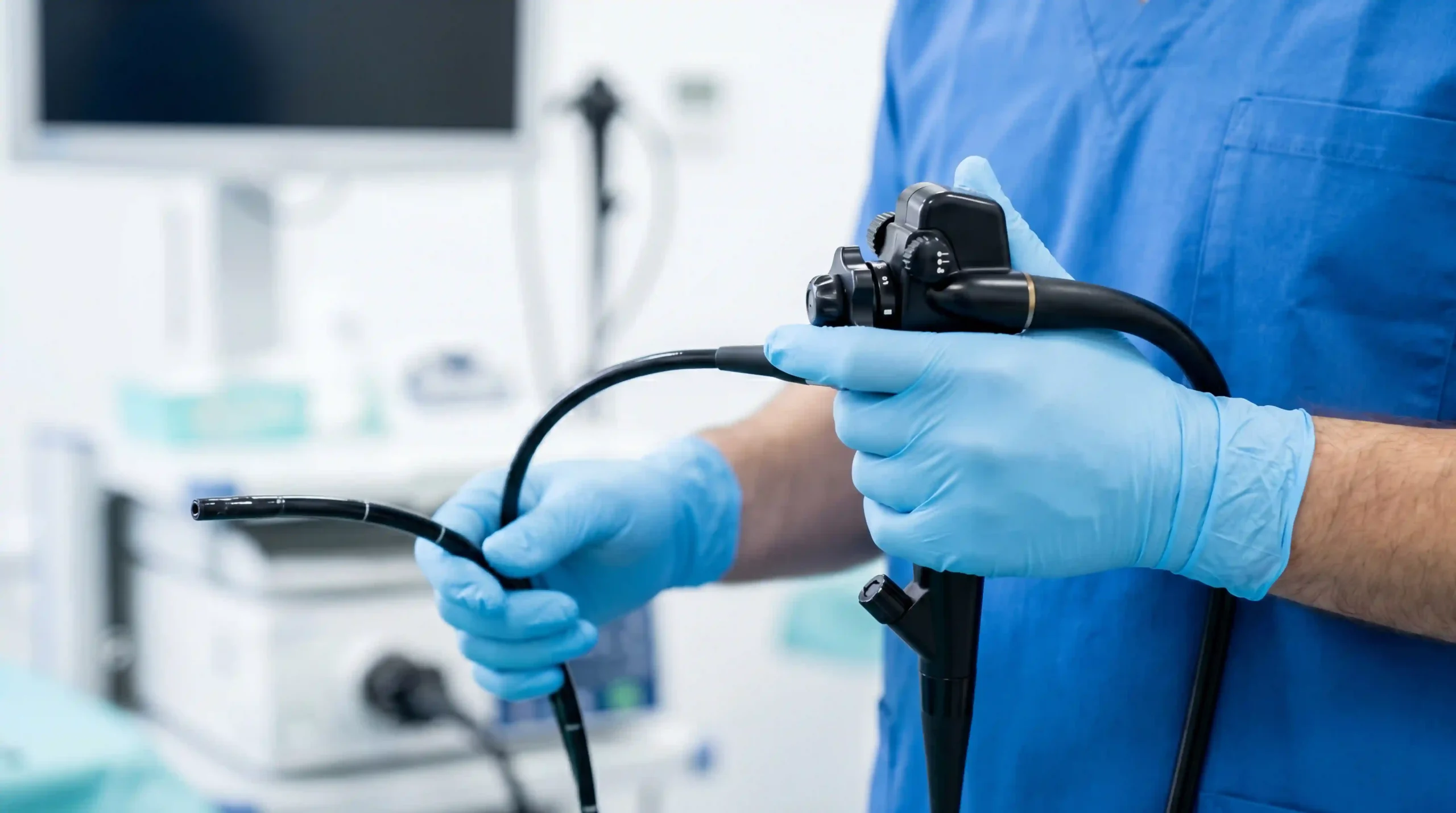
A colonoscopy is a procedure that allows a doctor to examine the inner lining of the large intestine (colon) and rectum using a long, flexible tube called a colonoscope.
Colonoscopies are commonly performed for both screening and diagnostic purposes. Screening colonoscopies help detect precancerous polyps before they develop into colorectal cancer.
Diagnostic colonoscopies may be recommended if you have symptoms such as rectal bleeding, persistent changes in bowel habits, unexplained abdominal pain, iron deficiency anaemia, or unexplained weight loss.
During the procedure, doctors can also remove polyps or take tissue samples (biopsies) for further analysis without requiring additional surgery.
Because the examination requires a clear view of the colon, preparation plays an important role in ensuring accurate results. If you are considering a colonoscopy screening in Singapore, understanding the preparation process can help ensure a smoother experience and more reliable results.
Not sure whether a colonoscopy is recommended for your age, symptoms and family history? Contact Digestive & Liver Surgery to learn more about the indications and benefits of a colonoscopy screening in Singapore.
How Do You Prepare for a Colonoscopy?
Proper preparation is one of the most important factors in ensuring an accurate and successful colonoscopy. A clean colon allows the doctor to clearly visualise the intestinal lining and identify any abnormalities.
The bowel preparation regimen: what to expect in the days before
Bowel preparation, often referred to as “bowel prep”, involves emptying the colon of stool before the procedure. Your doctor will typically prescribe a bowel-cleansing solution that must be consumed according to specific instructions.
Depending on the preparation method used, you may need to start the process one or two days before your colonoscopy. The laxative solution causes frequent bowel movements to clear the colon.
The laxative solution causes frequent bowel movements to clear the colon. Staying hydrated and remaining near a bathroom can help make the process more manageable.
It is important to follow the instructions provided by your doctor carefully, as inadequate bowel preparation may affect visibility during the procedure and could require the colonoscopy to be repeated.
Dietary restrictions and fasting requirements
Your doctor will usually advise you to modify your diet in the days leading up to the procedure.
In the days leading up to your colonoscopy, your doctor may advise you to:
- Avoid high-fibre foods such as:
- Nuts
- Seeds
- Whole grains
- Certain fruits and vegetables
- Switch to clear liquids the day before the procedure, such as:
- Water
- Clear broth
- Tea
- Black coffee
- Clear juices without pulp
- Fast for a specified period before the procedure, particularly if sedation is planned
The exact dietary and fasting instructions may vary depending on your doctor’s recommendations and the scheduled procedure time.
What to arrange on the day (transport, time off work)
Because sedation is commonly used during colonoscopy, patients should arrange for someone to accompany them home after the procedure. Driving, operating machinery, or making important decisions immediately after sedation is generally not recommended.
You may also wish to take the day off work. While many patients feel well enough to resume normal activities the following day, some may experience mild drowsiness or fatigue for several hours after the procedure.
What Happens During the Procedure?
Knowing what happens during a colonoscopy can help reduce uncertainty and anxiety.
Sedation options and pain management
Many colonoscopies in Singapore are performed with sedation to improve comfort. Sedation helps patients remain relaxed and may reduce awareness of the procedure.
Your doctor will explain the sedation options available and whether they are suitable for you.
Throughout the examination, your heart rate, blood pressure, oxygen levels, and overall condition will be closely monitored by trained healthcare professionals.
What the procedure involves from start to finish
Once you are positioned comfortably on your side, the doctor gently inserts the colonoscope through the rectum and advances it through the colon.
Air or carbon dioxide may be introduced to improve visibility. This can create a sensation of fullness or pressure.
As the scope moves through the colon, the doctor carefully examines the lining for polyps, inflammation, bleeding, or other abnormalities. If polyps are found, they can often be removed during the same procedure. Tissue samples may also be collected for laboratory analysis if necessary.
How long it takes
A colonoscopy typically takes between 20 and 60 minutes, depending on factors such as the complexity of the examination, the quality of bowel preparation, and whether any polyps need to be removed.
However, patients should expect to spend additional time at the clinic or hospital for preparation, recovery, and post-procedure observation.
Is a Colonoscopy Painful? What Patients Experience
One of the most common concerns patients have is whether a colonoscopy will be painful.
What patients typically feel during and after
Experiences vary from person to person. Patients who receive sedation may remember little of the procedure.
Common temporary effects include:
- Mild abdominal cramping
- Bloating
- A sensation of pressure in the abdomen
- Mild tiredness or drowsiness after sedation
These symptoms are often caused by the air or gas used to expand the colon and usually improve within several hours.
Rare risks and how they are managed
Colonoscopy is generally considered a safe procedure, but like any medical intervention, it carries some risks.
Rare complications may include bleeding, particularly after polyp removal, adverse reactions to sedation, infection, or perforation of the colon wall. Healthcare teams are trained to recognise and manage these complications promptly should they occur.
Before the procedure, your doctor will explain the potential risks and discuss whether any individual factors may increase your risk profile.
Why anxiety about the procedure is usually worse than the procedure itself
Anxiety about colonoscopy is common, particularly among first-time patients. However, modern sedation techniques and established safety protocols help improve comfort throughout the procedure.
In fact, some patients find the bowel preparation more challenging than the colonoscopy itself.
If concerns about discomfort have been preventing you from getting screened, contact our team to learn more about colonoscopy procedures or sedation options.
Colonoscopy Screening Singapore Price: What Affects the Cost?
The cost of a colonoscopy varies depending on the healthcare institution, sedation requirements, and whether biopsies or polyp removal are performed.
Typical price range for colonoscopy
Costs may vary depending on the complexity of the procedure, associated facility fees, and whether additional procedures such as biopsies or polyp removal are required.
Patients should consult their healthcare provider for a personalised cost estimate based on their clinical needs.
Medisave and insurance coverage: what applies?
Singapore citizens and permanent residents may be able to use MediSave to offset part of the cost of a colonoscopy, subject to prevailing regulations and eligibility criteria.
Certain Integrated Shield Plans and private insurance policies may also provide coverage for medically indicated procedures. Patients should check coverage details with their healthcare provider or insurer.
Recovery and Results: What Happens After the Procedure?
Timeline | What to Expect |
Immediately after the procedure | Recovery monitoring while sedation wears off |
First few hours | Mild drowsiness, bloating, or abdominal discomfort may occur |
Same day | Rest and avoid driving or strenuous activities |
Following day | Most patients can resume their normal diet and daily activities unless otherwise advised by their doctor |
Shortly after the procedure | The doctor may discuss preliminary findings |
Several days to a few weeks later | If biopsies or polyps are removed, laboratory results may become available |
Recovery after a colonoscopy is usually straightforward.
If biopsies or polyps are removed, laboratory results may take several days to a few weeks. Your doctor will review the findings and discuss any recommended follow-up care.
What to expect in the hours after sedation
Patients are typically monitored in a recovery area until the effects of sedation begin to wear off. Mild drowsiness, bloating, or abdominal discomfort may occur but generally improve within a few hours.
It is advisable to rest for the remainder of the day and avoid strenuous activities until you have fully recovered from the sedation.
Most patients can resume their normal diet and daily routine the following day unless otherwise advised by their doctor.
When and how you receive your results
In many cases, the doctor can provide preliminary findings shortly after the procedure.
If biopsies or polyps are removed, laboratory analysis may be required. Results from these tests are typically available within several days to a few weeks, depending on the healthcare facility.
Your doctor will explain the findings, discuss any follow-up recommendations, and outline any further investigations or treatments that may be necessary.
Looking for a Colonoscopy Specialist in Singapore?
If you are due for colorectal cancer screening or have the symptoms mentioned in this article a colonoscopy screening may be a prudent step.
At Digestive & Liver Surgery, we perform colonoscopies for both screening and diagnostic purposes. Where appropriate, polyps can also be removed during the same procedure, helping to reduce the need for additional interventions.
To learn more about the procedure or arrange a consultation, contact Digestive & Liver Surgery.


