
Summary:
|
Endoscopy vs Gastroscopy vs Colonoscopy: Key Differences
You have been referred for a scope, and you are not sure what that means. The letter says “endoscopy” but your friend had a “gastroscopy” and your colleague is booked for a “colonoscopy.” Are these the same thing? Different things? Do you need one, two, or all three?
They refer to different procedures entirely, and knowing which is which matters, particularly if you are navigating endoscopy in Singapore for the first time. Each procedure examines a different part of your digestive system, requires different preparation, and is used for different symptoms.
This article explains each term clearly, so you can walk into the procedure room with a clear picture of what to expect and why.
The Quick Answer
Endoscopy is the umbrella term, not a single procedure
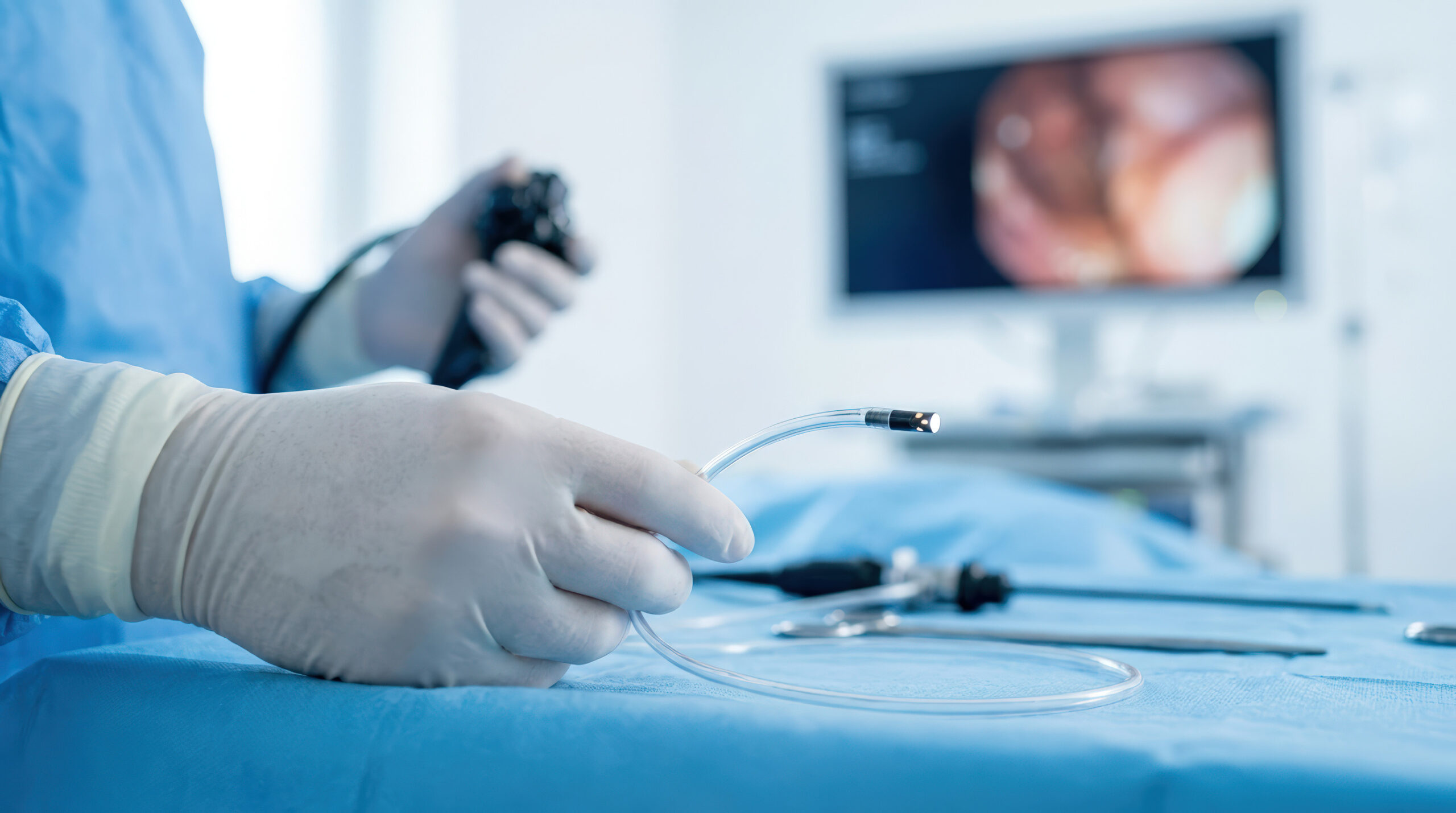
Endoscopy refers to any procedure that uses a thin, flexible tube fitted with a camera (called an endoscope) to examine the inside of the body. It is a category, not a specific test.
Gastroscopy and colonoscopy are both types of endoscopy, just as a sedan and an SUV are both types of car. When a doctor says “you need an endoscopy,” they almost always mean one specific type
Gastroscopy looks at the upper digestive tract; colonoscopy looks at the large intestine
Gastroscopy examines the upper digestive tract: the oesophagus (the tube connecting your throat to your stomach), the stomach itself, and the duodenum (the first section of the small intestine).
Colonoscopy examines the large intestine (also called the colon) and the rectum. They look at entirely different parts of the body, and the choice between them depends on where your symptoms are located
Comparison table
Gastroscopy | Colonoscopy | |
Area examined | Oesophagus, stomach, duodenum | Large intestine, rectum |
Preparation | Fasting for six to eight hours | Bowel preparation over one to two days |
Duration | 10 to 20 minutes | 20 to 45 minutes |
Sedation | Usually offered; some prefer none | Usually offered; strongly recommended |
Common uses | Reflux, ulcers, swallowing difficulty | Screening, bowel changes, bleeding |
Polyp removal | Possible | Common |
What Does a Gastroscopy Involve?
Gastroscopy, also referred to as an oesophagogastroduodenoscopy (OGD) or upper endoscopy, involves passing a thin flexible tube through the mouth, down the oesophagus, into the stomach, and through to the duodenum.
It is typically recommended for symptoms including persistent acid reflux, indigestion that does not resolve with standard treatment, difficulty swallowing, unexplained nausea or vomiting, upper abdominal pain, or bleeding from the upper gastrointestinal tract.
It is also used to diagnose conditions including:
- Peptic ulcers (sores on the lining of the stomach or duodenum)
- Gastritis (inflammation of the stomach lining)
- Barrett’s oesophagus (a change in the cells lining the lower oesophagus associated with chronic acid reflux)
- Coeliac disease (an autoimmune condition triggered by gluten)
You will typically be asked to fast for six to eight hours beforehand. The procedure takes around 10 to 20 minutes. Sedation is usually offered, and if you receive it, you will need someone to accompany you home.
What Does a Colonoscopy Involve?
A colonoscopy involves passing a longer flexible tube through the rectum and into the large intestine, examining the lining for any abnormalities. It is used to investigate persistent changes in bowel habits, rectal bleeding, blood in the stool, lower abdominal pain, and unexplained weight loss.
It is also the primary tool to screen for colorectal cancer, one of the most common cancers in Singapore.
Colorectal cancer develops from small growths called polyps (abnormal tissue growths on the inner lining of the colon). Colonoscopy allows the doctor to identify and remove polyps during the same procedure, before they have the opportunity to develop into cancer.
This is one of the reasons routine colonoscopy screening is recommended for adults from the age of 50 in Singapore, or earlier for those with a family history of colorectal cancer.
Colonoscopy requires more preparation than gastroscopy. You will be given a bowel preparation solution involving a prescribed laxative and a low-residue diet over the day or two before. On the day, sedation is strongly recommended. You will need someone to take you home afterwards and should rest for the remainder of the day.
Why Do People Use These Terms Interchangeably?
The naming confusion is more common than most patients realise. In everyday usage, “endoscopy” is often used as shorthand for gastroscopy, particularly in older medical literature and in casual conversation.
This habit has persisted even as the terminology has become more standardised, which is why it pays to ask your doctor exactly which procedure is being recommended and why.
Gastroscopy also goes by several names: oesophagogastroduodenoscopy (OGD), upper endoscopy, and upper GI endoscopy. All refer to the same procedure. The different names reflect the parts of the digestive system being examined and regional preferences in terminology.
Not sure what your referral letter is actually asking you to book? Get in touch with Digestive & Liver Surgery and the team can help you figure out exactly what you need.
Will It Hurt? What to Expect on the Day
Gastroscopy and colonoscopy are generally not painful, although you may experience some pressure, bloating or brief discomfort during the procedure. Sedation is commonly used to help you feel relaxed and more comfortable, while local anaesthetic may also be used for gastroscopy to numb the throat. The level of sedation varies, so you may be drowsy but still responsive.
Gastroscopy typically takes 10 to 20 minutes. Colonoscopy takes slightly longer, usually between 20 and 45 minutes, depending on the complexity of the examination and whether any polyps are removed.
Preliminary findings are usually discussed with you immediately after the procedure. If biopsies were taken, laboratory results typically take several days to a week to come back. Most patients are back to normal activities the following day and find both procedures more manageable than they anticipated.
Gastroscopy and colonoscopy are generally not painful, although you may experience some pressure, bloating or brief discomfort during the procedure. Sedation is commonly used to help you feel relaxed and more comfortable, while local anaesthetic may also be used for gastroscopy to numb the throat. The level of sedation varies, so you may be drowsy but still responsive
Gastroscopy typically takes 10 to 20 minutes. Colonoscopy takes slightly longer, usually between 20 and 45 minutes, depending on the complexity of the examination and whether any polyps are removed.
Preliminary findings are usually discussed with you immediately after the procedure. If biopsies were taken, laboratory results typically take several days to a week to come back. Most patients are back to normal activities the following day and find both procedures more manageable than they anticipated.
Discuss Which Endoscopic Procedure Is Right for You
Gastroscopy and colonoscopy can identify problems within the digestive tract, but some symptoms may have a wider cause.
At Digestive & Liver Surgery, endoscopy is provided within an HPB-focused surgical practice, where Dr Victor Lee and Dr Tan Ek Khoon also specialise in conditions affecting the liver, gallbladder, bile ducts and pancreas. They can help patients whose symptoms are persistent, unexplained or potentially involve more than one part of the digestive system.
Get in touch with Digestive & Liver Surgery to arrange a consultation.


