
Summary:
|
Life After Gallbladder Surgery: What to Expect
Gallbladder surgery is one of the most commonly performed abdominal operations in Singapore, yet many patients leave the hospital with more questions than answers. When can you eat normally again? How long before you can drive, lift, or go back to work? And how do you know what is a normal part of recovery versus something that needs attention?
This guide covers the full picture: what to expect in the first 48 hours, how digestion changes and why, and what a realistic week-by-week recovery looks like.
Can You Live a Normal Life Without a Gallbladder?
The short answer is yes. Many people have had their gallbladder removed and gone on to live entirely normal lives. The adjustment period is real, but for most people, it is temporary.
The gallbladder stores bile, a digestive fluid that helps break down dietary fats. Without it, bile drips continuously from the liver into the small intestine rather than being released in concentrated bursts. The body adjusts over time, but in the early weeks, fatty meals can feel harder to digest.
In the first two to three weeks, it is not uncommon to experience some or all of the following. These changes are normal and do not indicate that something has gone wrong.
- Looser stools, particularly after eating
- Bloating or a feeling of fullness after meals
- Discomfort or mild nausea following fatty or rich food
- More frequent trips to the toilet than usual
For most people, digestion settles within a few weeks. Around 3% of people experience ongoing symptoms beyond three months, sometimes referred to as post-cholecystectomy syndrome (PCS). This warrants further investigation if symptoms are persistent or worsening.
What Happens During and Immediately After Surgery
The vast majority of gallbladder removal surgery, known as cholecystectomy (surgical removal of the gallbladder), is performed using minimally invasive keyhole techniques, with three small incisions and a camera.
At Digestive & Liver Surgery, Dr Victor Lee and Dr Tan Ek Khoon both perform keyhole gallbladder surgery as part of their HPB practice.
In some situations, your surgeon may need to convert to an open procedure, where a larger incision is made across the abdomen. This is more likely if the gallbladder is severely inflamed, if there are complications such as bile duct involvement, or if scarring from previous surgery makes keyhole access difficult. Typically, difficult and complex gallbladder surgeries are still performed using minimally invasive keyhole techniques at Digestive & Liver Surgery, and occasionally with additional port access, rather than a conversion to open technique.
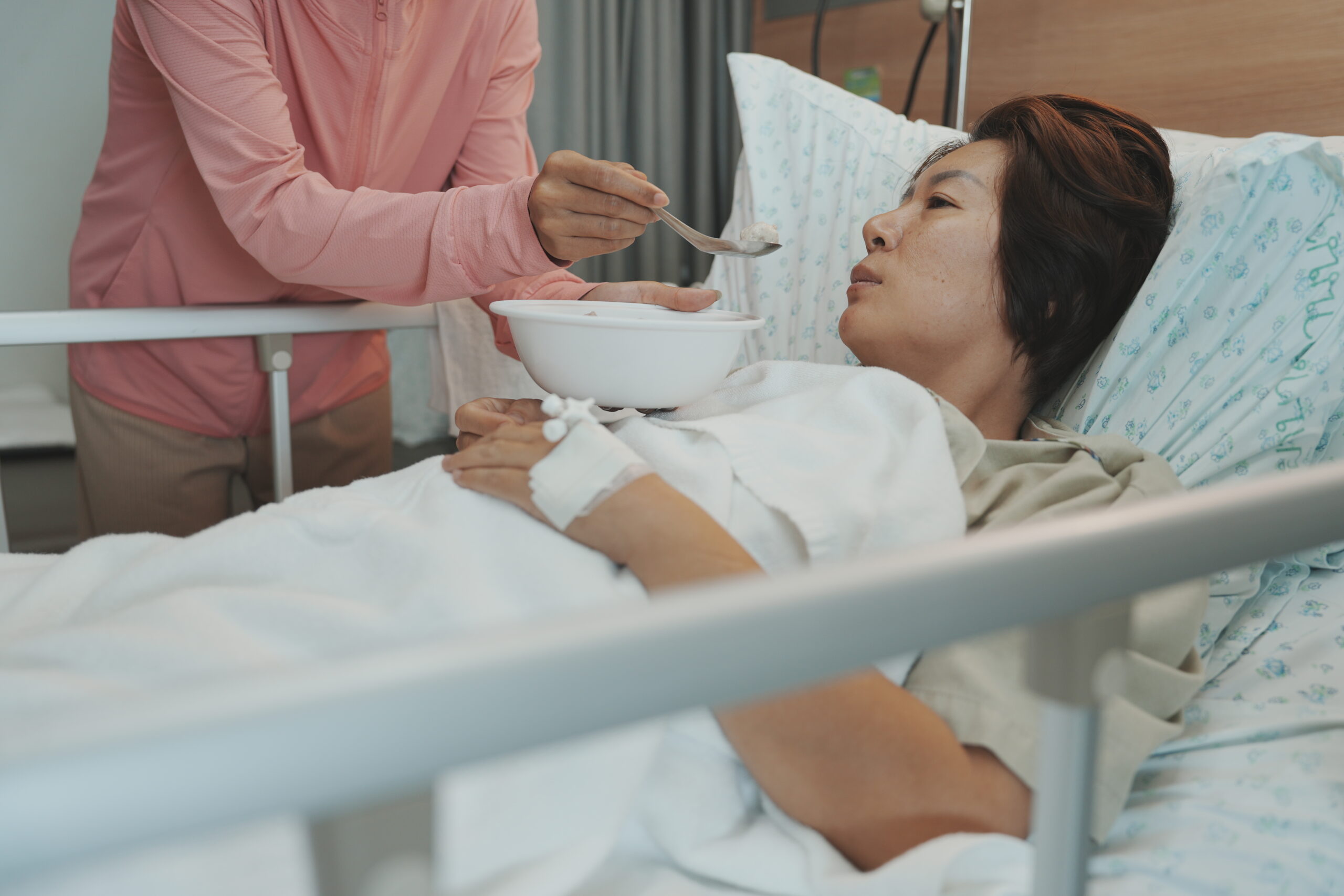
For keyhole procedures, most patients are discharged on the same day or after one night in hospital. In the first 48 hours, you are likely to feel fatigue, soreness at the incision sites, and occasionally right shoulder pain caused by residual gas pressing on the diaphragm.
Walking gently and sitting upright can help the gas disperse. It usually resolves within two to three days.
Keep incision sites clean and dry, and avoid submerging wounds in water until they are fully healed.
Your Week-by-Week Recovery Timeline
Most people are not fit to drive for at least seven days after keyhole surgery. Desk-based work may be possible from day five to seven. Lifting anything heavier than a few kilograms should be avoided for at least three weeks after keyhole surgery and six to eight weeks after open surgery.
| Phase | Keyhole surgery | Open surgery |
| Driving | Not before 7 days | Longer; surgeon to advise |
| Desk-based work | From day 5–7 | Surgeon to advise |
| Light lifting (few kg) | From week 2 | From week 2 |
| Heavier lifting | After 3 weeks | After 6–8 weeks |
| Return to physical work | With surgeon’s clearance | With surgeon’s clearance |
| Digestion stabilises | Weeks 4–6 for most | Weeks 4–6 for most |
| Full diet (including moderate fat) | After month 1 for most | After month 1 for most |
Preparing for gallbladder surgery and want to know what to expect? Book a consultation with us to go through your specific situation before you go in.
What to Eat After Gallbladder Surgery
In the first two weeks, focus on low-fat, easily digestible foods in small portions eaten more frequently throughout the day. Good choices include:
- White rice
- Plain pasta and bread
- Boiled or steamed chicken and fish
- Cooked vegetables
- Low-fat yoghurt
- Clear soups
Avoid fried food, fatty meats, creamy sauces, and anything heavily spiced.
From week three, reintroduce fats gradually, adding one higher-fat food at a time and monitoring your response. Healthy unsaturated fats such as olive oil, avocado, and nuts are generally better tolerated than saturated fats.
A sample first-week eating pattern
- Breakfast: Porridge made with water, topped with a sliced banana
- Mid-morning: A small portion of low-fat yoghurt
- Lunch: Boiled chicken with plain rice and steamed courgette
- Afternoon snack: A slice of plain white toast with a thin spread of low-fat soft cheese
- Dinner: Baked white fish with boiled potatoes and steamed carrots
- Evening: A small apple or mild crackers if hungry
Five to six small meals are generally easier on the digestive system than three large ones.
Why Does Digestion Change After Gallbladder Removal?
Because bile enters the small intestine continuously rather than in bursts, it can pass through to the large intestine in greater quantities than the gut is used to. This can have a mild laxative effect.
For most people, this improves as the body adapts. Insoluble fibre (found in oats, lentils, and root vegetables) can help by increasing stool bulk. If symptoms are disruptive, a short course of a bile acid sequestrant may be considered.
Some people experience persistent indigestion or bloating beyond the expected four to six week window. This may reflect bile reflux gastritis (where bile backs up into the stomach) or an unrelated gastrointestinal condition previously masked by gallbladder symptoms. Persistent or worsening indigestion beyond six weeks should be investigated.
Warning Signs You Should Not Ignore After Surgery
- A wound that is red, swollen, warm to the touch, or leaking fluid
- Fever above 38°C
- Yellowing of the skin or whites of the eyes (jaundice)
- Severe abdominal pain that is worsening rather than improving
- Dark urine or very pale stools
Speak to a Gallbladder Surgeon in Singapore
If you are still weighing your options, recovering from a recent procedure, or experiencing symptoms that have not been fully explained, you do not have to navigate this alone.
Digestive & Liver Surgery is an HPB-focused practice with two HPB and transplant-trained surgeons covering gallbladder, liver, bile duct, and pancreatic conditions. Whether your case is straightforward or complex, the right starting point is a proper assessment.
Get in touch to arrange an appointment.


