
Summary:
|
Treatments for Common Pancreatic Conditions
A liver cancer diagnosis can stop you in your tracks. Whether it has come after months of monitoring a liver condition, or arrived unexpectedly following a scan, the question that tends to follow is the same: what happens now?
Treatment for liver cancer is not a single path. It depends on how far the cancer has progressed, how well your liver is functioning, and a range of other factors that are specific to you.
This article walks through the main treatment options available in Singapore, from surgery and ablation to systemic therapy, and explains how doctors decide which approach is right for each patient.
What Causes Liver Cancer and How Does It Progress?
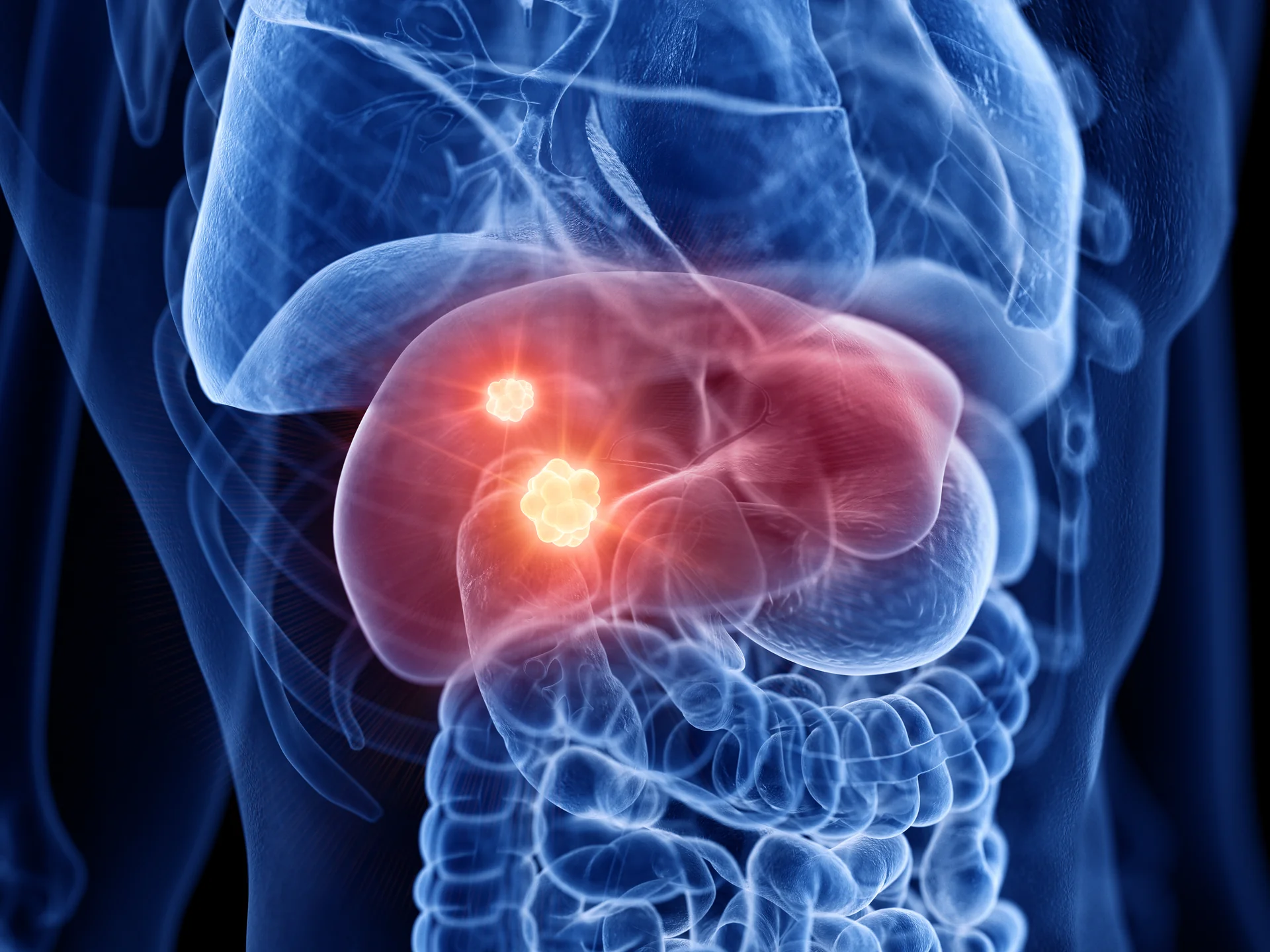
Liver cancer is a serious condition that usually develops over time due to long-term damage or ongoing inflammation in the liver. This damage can gradually cause healthy liver cells to change and become cancerous.
How Hepatocellular Carcinoma Develops
The most common type of primary liver cancer is hepatocellular carcinoma (HCC). This cancer starts in the main liver cells (hepatocytes) and may appear as a single tumour or multiple nodules within the liver. It often develops slowly, especially in people with underlying liver disease.
Role of Chronic Liver Disease and Cirrhosis
Most cases of liver cancer are linked to long-term liver conditions. These include hepatitis B, hepatitis C, fatty liver disease, and cirrhosis. Over time, repeated inflammation and scarring (cirrhosis) can increase the risk of cancerous changes in liver cells.
What is the Surgical Treatment for Liver Cancer?
Liver cancer surgery, or liver resection, is one of the main treatment options when the disease is still localised within the liver. The section containing the tumour is removed, while preserving as much healthy liver as possible.
This can be performed using:
- Open surgery, where a larger abdominal incision is made to access the liverx
- Minimally invasive (keyhole) surgery, using small incisions with laparoscopic or robotic instruments whenever suitable
In early-stage liver cancer, only a small portion of the liver may need to be removed if the tumour is confined to one area and the remaining liver is healthy enough to function after surgery.
When Is Surgery to Remove Tumours Recommended?
Your doctor may recommend liver cancer surgery when:
- The tumour is confined to one part of the liver
- There is no significant spread to other organs
- Your liver function is strong enough to support recovery after part of the liver is removed
- You do not have severe liver disease
Because hepatocellular carcinoma often develops alongside chronic liver disease, your specialist will carefully evaluate both the cancer stage and your overall liver health before deciding on surgery.
Risks And Recovery After Liver Surgery
Liver surgery is a major operation, and recovery varies depending on how much liver tissue is removed and your overall health.
Patients usually need a period of hospital monitoring followed by a few weeks of recovery at home.
Possible risks include bleeding, infection, bile leakage, blood clots, or reduced liver function, particularly in patients with pre-existing liver disease.
Your doctor will closely monitor you during recovery to manage any complications and support your healing.
What Are The Non-Surgical Treatment Options For Liver Cancer?
If surgery is not suitable for you, or if you need additional treatment alongside other options, your doctor may recommend these.
What Is Ablative Therapy (radiofrequency RFA / microwave MWA/histotripsy)?
Ablative therapy works by destroying cancer cells using heat energy. During the procedure, your doctor guides a thin probe directly into the tumour using imaging, and heat is applied to destroy the cancer cells.
Histotripsy is an incisionless, non-thermal ultrasound therapy used to mechanically destroy diseased tissue (liver tumours) at the cellular level. It utilises focused sound waves to generate microbubbles, which rapidly expand and collapse to liquefy liver tumours.
Your doctor may recommend ablative therapy if you have small liver tumours, especially if surgery is not suitable for you due to medical reasons or liver function. It may also be considered if there are only a limited number of tumours.
When Might You Need Targeted Therapy?
Targeted therapy involves medication that works on specific pathways that drive cancer growth. Your doctor may recommend this if your cancer cannot be removed surgically or if it has spread beyond the liver. The aim is to slow tumour growth and help control the disease over time.
Role of Systemic Therapy in Downstaging Cancer or Late-Stage Liver Cancer
Doctors are increasingly using systemic therapy to shrink unresectable liver cancers. The goal is to convert patients who are not eligible for curative surgeries by shrinking the liver tumour for eventual surgery.
In cases where liver cancer has progressed to a later stage, systemic therapy may be recommended. This involves treatments that circulate throughout the body to help slow cancer growth and manage symptoms.
If you have questions about liver cancer treatment, we can help. Book an appointment with one of our specialists at Digestive and Liver Surgery Clinic in Singapore for an assessment and guidance on your treatment options.
How Do Doctors Decide Your Liver Cancer Treatment Plan?
Your specialist will consider several factors before recommending an approach.
How Tumour Stage Affects Treatment Choice
The stage of the cancer is one of the most important factors. Early-stage liver cancer may be treated with surgery or ablation, while more advanced stages may require systemic therapy or combination treatments.
Why Liver Function Matters in Treatment Planning
Because the liver plays a vital role in the body, its overall function must be carefully assessed. Even if the tumour can be removed, treatment must ensure that enough healthy liver remains to support normal function.
How Imaging and Biopsy Guide Decisions
Imaging tests such as computed tomography (CT) scans or magnetic resonance imaging (MRI) provide detailed information about the tumour’s size, number, and location.
In some cases, a biopsy may also be performed to confirm the diagnosis and guide treatment decisions.
Why Treatment Is Highly Individualised
Everyone’s condition is different. Treatment is personalised based on cancer stage, liver health, overall fitness, and patient preferences. This ensures that care is both safe and appropriate for your situation.
Why Early Diagnosis Improves Liver Cancer Outcomes
In liver cancer care, timing plays a key role in how treatment decisions are made.
More Treatment Options Available In Early Stages
If your cancer is found early, you may be suitable for curative treatments such as surgery or ablation. This is when the tumour is still localised and easier to treat effectively.
Higher Chance Of Curative Surgery Or Ablation
When tumours are smaller and confined to one area, your specialist can focus on treatments aimed at removing or destroying the cancer completely, rather than just controlling it.
Slower Disease Progression With Early Intervention
Starting treatment earlier can help slow down how the disease progresses and may reduce the risk of complications developing over time.
Importance Of Regular Liver Screening
Regular screening is especially important if you have chronic liver disease or known risk factors, as it helps your doctor detect changes early and monitor your liver health over time.
This allows potential issues to be identified and managed before they progress or cause noticeable symptoms.
Speak to a Liver Cancer Specialist in Singapore Today
Not sure what your treatment options look like yet, or unsure whether your symptoms or scan results mean you need further steps? You do not need to have everything figured out before speaking to a specialist.
At Digestive and Liver Surgery Clinic in Singapore, we will assess your condition, review your scans and test results, and help you understand whether liver cancer surgery or other treatment options are appropriate.


