
You may not notice symptoms in the early stages of a liver condition. Over time, however, persistent abdominal discomfort, fatigue, or abnormal findings on a scan may reveal a liver tumour or damaged areas of the liver that need treatment.
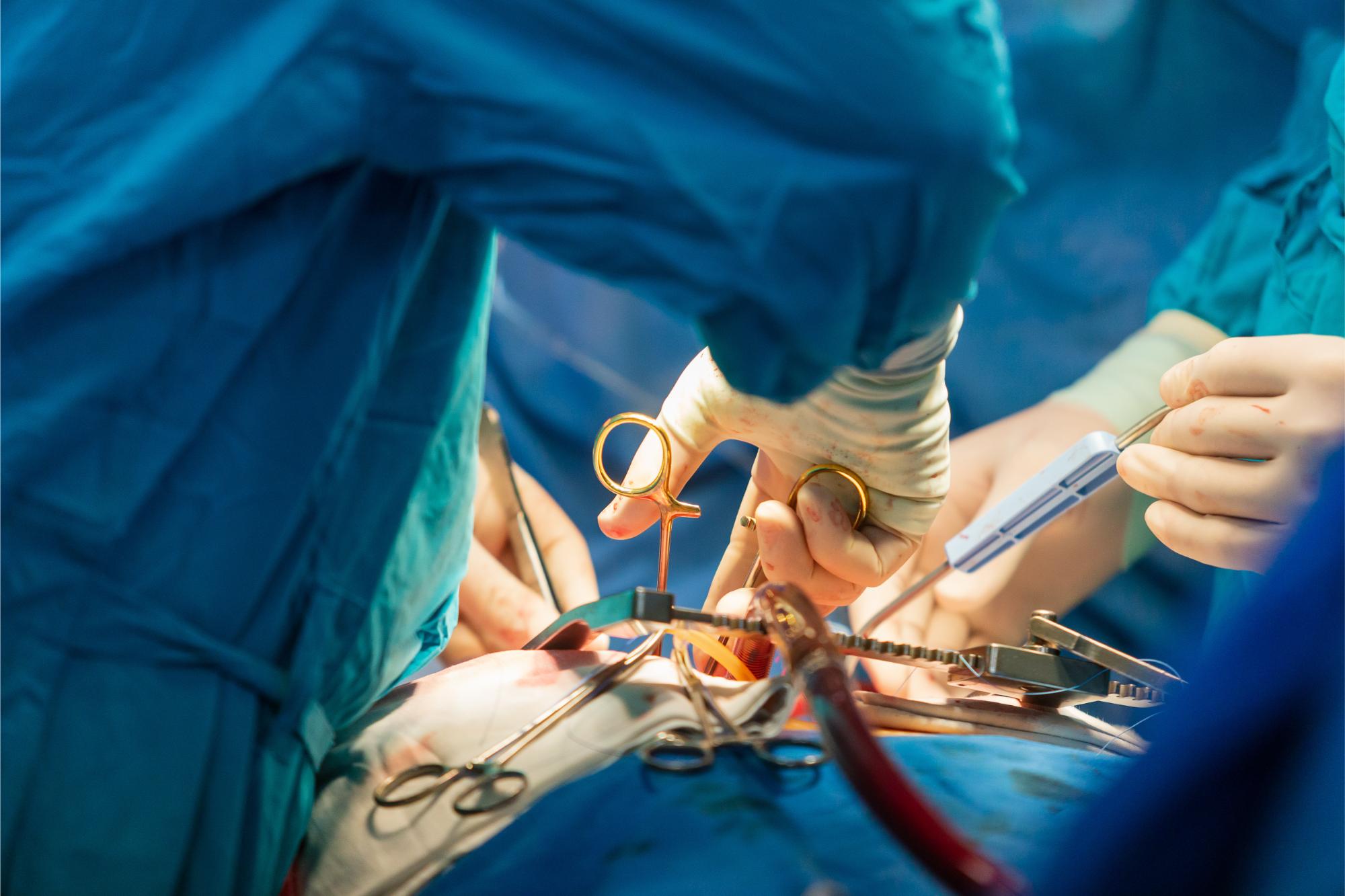
When surgery is required for treatment, minimally invasive liver resection may be recommended. This procedure, often performed as a laparoscopic hepatectomy in Singapore, involves removing the affected portion of the liver using specialised surgical instruments.
At Digestive & Liver Surgery, our surgeons will thoroughly assess your condition before determining whether this minimally invasive approach is suitable for you.
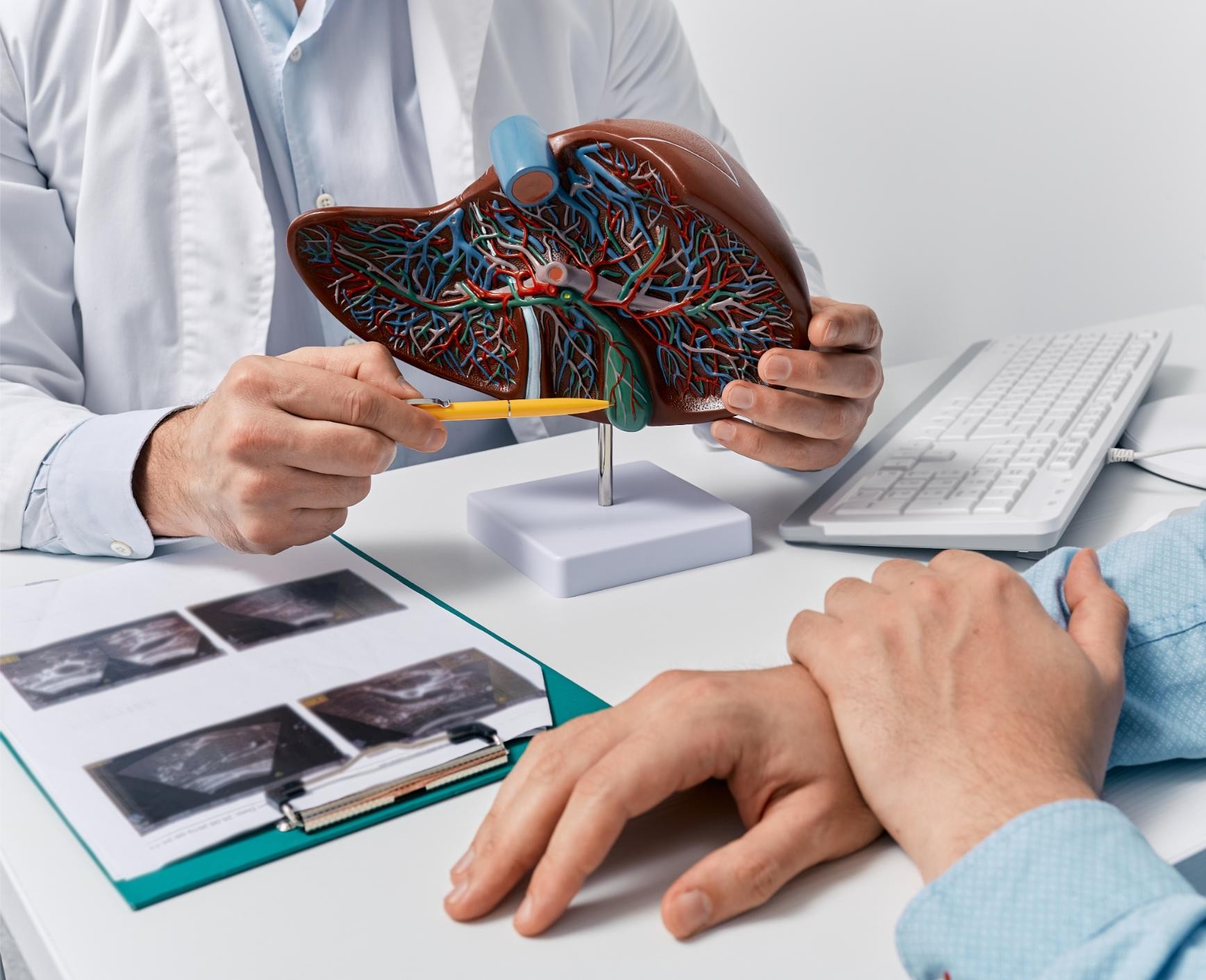
The liver helps the body:
The liver also filters toxins from your bloodstream, breaks down medications, and stores key nutrients such as glycogen, vitamin A, vitamin B12, and iron.
Because the liver performs many critical functions, damage to liver tissue can affect multiple systems in the body.
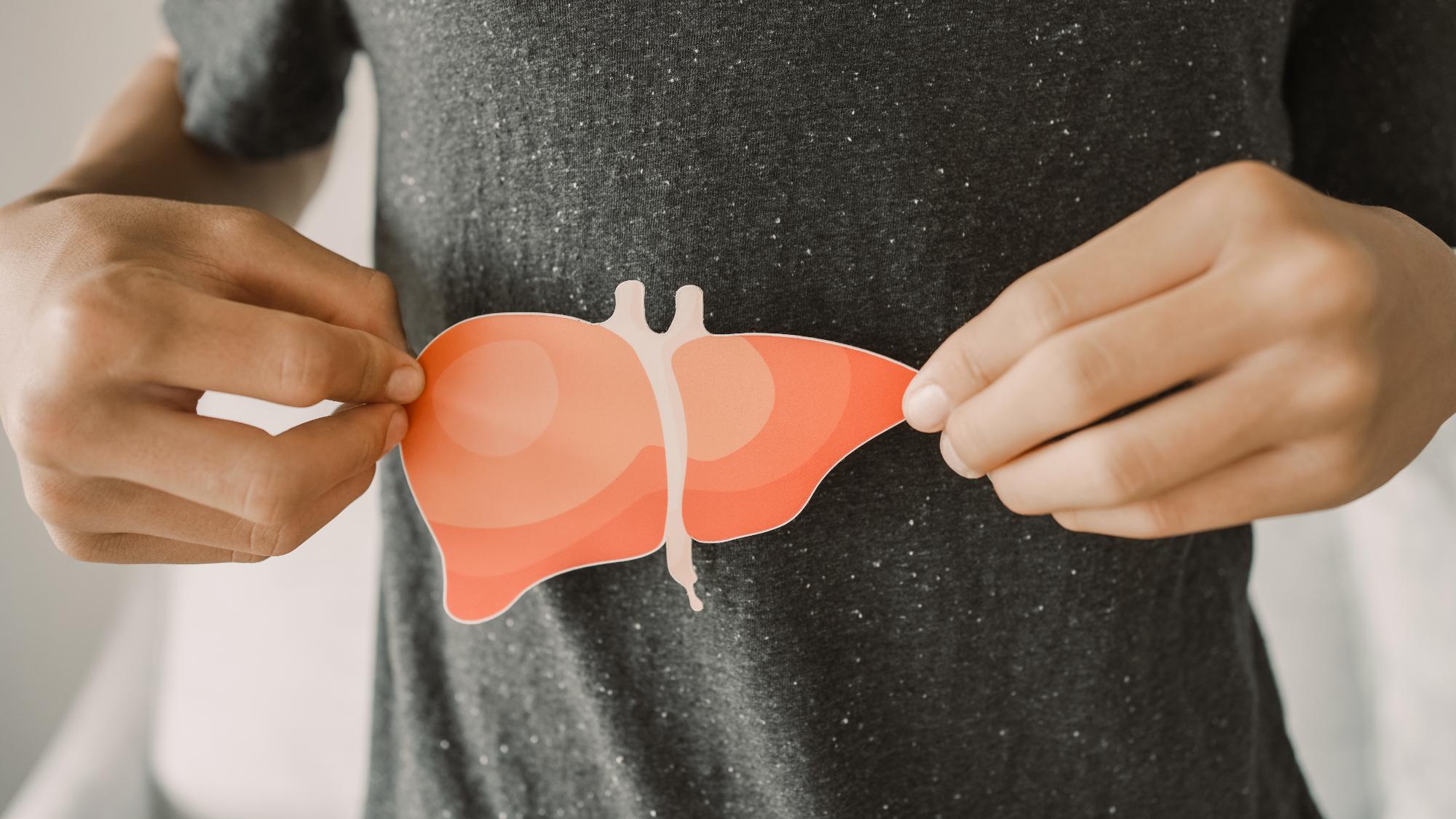
A hepatectomy, also known as liver resection surgery, involves removing the portion of the liver affected by disease or abnormal growths. Our surgeons at Digestive & Liver Surgery may recommend this procedure to treat certain liver conditions or to prevent the disease from progressing further.
After the affected portion is removed, the remaining liver tissue can gradually regenerate. Over time, the liver can recover much of its normal function as it heals.
A hepatectomy in Singapore is typically considered when imaging tests detect abnormal growths or tumours in the liver.
Liver tumours can be benign (non-cancerous) or malignant (cancerous).
Benign liver tumours that may require surgery include:
Malignant tumours can arise from the liver itself or spread from cancers elsewhere in the body.
Primary liver cancer that originates in liver cells is known as hepatocellular carcinoma (HCC).
Malignant liver tumours can also be secondary (metastatic) tumours, meaning the cancer has spread to the liver from another organ. These cancers may originate from the:
Book a consultation to discuss whether liver resection surgery is right for you.
Our surgeons in Singapore generally classify hepatectomy based on how much of the liver needs to be removed.
A major hepatectomy removes a larger portion of the liver. We may recommend this approach when a tumour affects several areas of the liver or involves a large section of the organ.
This type of surgery may be considered when:
Although this type of liver resection surgery is more complex, removing the affected portion of the liver may help control the disease.
A minor hepatectomy removes a smaller section of the liver and is often performed when the tumour or diseased tissue is confined to a limited area.
This approach may be suitable when:
Many minor resections can be performed using laparoscopic liver resection (hepatectomy), where the affected portion of the liver is removed through small incisions using specialised surgical instruments.
Compared to traditional surgery, laparoscopic liver hepatectomy provides the following benefits:
Not every patient is suitable for this technique. Our surgeons will evaluate the location of the tumour, the condition of your liver, and your overall health before recommending the most appropriate surgical approach.

After the operation, you will usually stay in the hospital for several days while your medical team monitors your recovery. During this period, your care team at Digestive & Liver Surgery will:
Once you return home, we’ll provide instructions on caring for your surgical wounds, resuming daily activities, and attending follow-up visits.
You can return to light activities within a few weeks, although full recovery may take longer depending on the extent of the surgery.

All surgical procedures carry potential risks, which will be explained to you during your consultation. Possible complications may include:
In some situations, the procedure may need to be converted to an open surgery if better access to the liver is required during the operation.
At Digestive & Liver Surgery, we’ll monitor you closely during and after the hepatectomy to manage the above risks.
If you’ve been diagnosed with liver cancer, our surgeons may recommend liver resection as part of your treatment.
Before surgery, you’ll undergo imaging tests such as CT scans or MRI scans so we can see the size and location of the tumour and determine whether it can be safely removed.
During the procedure, the surgeon removes the part of the liver that contains the tumour. In some cases, removing the tumour may help control the cancer and reduce the chance of it spreading further.
However, surgery may not be suitable for everyone. If the tumour involves major blood vessels, appears in several areas of the liver, or has spread outside the liver, removal may not be possible.
In these situations, we may discuss other treatment options with you. For some patients, liver transplantation may also be considered.

A diagnosis of liver failure, cirrhosis, or cancer can be daunting, but with the right care, you can take positive steps towards recovery. Our liver surgeons are dedicated to providing compassionate and effective care for patients in need of hepatectomy.
Contact us to schedule a consultation and learn more about how we can help you regain your health.
Recovery after a liver resection surgery usually takes several weeks, though you may be able to resume light daily activities within two to four weeks. A full recovery typically takes longer, depending on the extent of surgery.
Yes, liver resection is considered a major surgery. It involves removing part of the liver and requires careful surgical planning and monitoring.
Life expectancy after a liver resection depends on the condition being treated and your overall health. Removing the affected portion of the liver may improve outcomes in selected patients.
You will likely experience some pain or discomfort after a liver resection, though it can be managed with medication during your recovery.
Yes, the liver can regenerate after part of it is removed. The remaining liver tissue gradually grows and restores much of the organ’s function.

Senior Consultant Surgeon

Senior Consultant Surgeon
Professional Care You Can trust

New DLS Group Office
We have opened a new administrative office to support our operations.
The address is:
545 Orchard Road
#10-09 Far East Shopping Centre
Singapore 238882
All medical services continue as usual at our four clinics.
Thank you!